









-1000x1000.jpg)















-1000x1000.jpg)




A Glazier’s Guide to BS 6180: Ensuring Your Glass Balustrade Installations are Fully Compliant
In the glazing trade, a "callback" is a nuisance, but a "failure" is a catastrophe and potentially dangerous. When it comes to glass balustrades, the line between a stunning installation and a legal liability is defined by one document: BS 6180.
As the British Standard code of practice for barriers in and about buildings, BS 6180 dictates everything from the height of your handrail to the "line load" the glass must withstand. For a professional glazier, mastering these regulations isn't just about safety—it’s about protecting your reputation and your business.
Here is the essential breakdown of BS 6180 for the modern installer.
The most critical factor in compliance is the Line Load. This is the horizontal force applied to the top of the barrier. BS 6180 categorises these loads based on the building’s use which is simplified in the table below:
| Occupancy Type | Examples | Min. Line Load |
|---|---|---|
| Residential Areas | All areas within or serving exclusively one single family dwelling including stairs, landings, etc. but excluding external balconies and edges of roofs | 0.36 kN/m |
| Other residential such as houses of multiple occupancy and balconies, including Juliette balconies and edges of roofs in single family dwellings | 0.74 kN/m | |
| ‘Light’ Commercial | Areas not susceptible to overcrowding including offices, industrial buildings; Stairs, landings, corridors, ramps; External balconies including Juliette balconies and edges of roofs | 0.74 kN/m |
| Areas where people may congregate; Areas having fixed seating within 530 mm of the barrier; Examples include all retail areas / restaurants & bars | 1.50 kN/m | |
| ‘Heavy use’ Commercial | Areas that are susceptible to overcrowding including but not restricted to theatres, cinemas, shopping malls, sports arenas, music venues, etc | 3.0 kN/m |
BS 6180 is very specific about how high a barrier must be to prevent falls. These measurements are taken from the datum (the finished floor level):
- Internal Installations: 900mm (stairs, landings, ramps).
- External Installations: 1100mm (balconies, roof edges, galleries).
One of the most frequent questions we get at GlassParts is: "Do I need a handrail?"
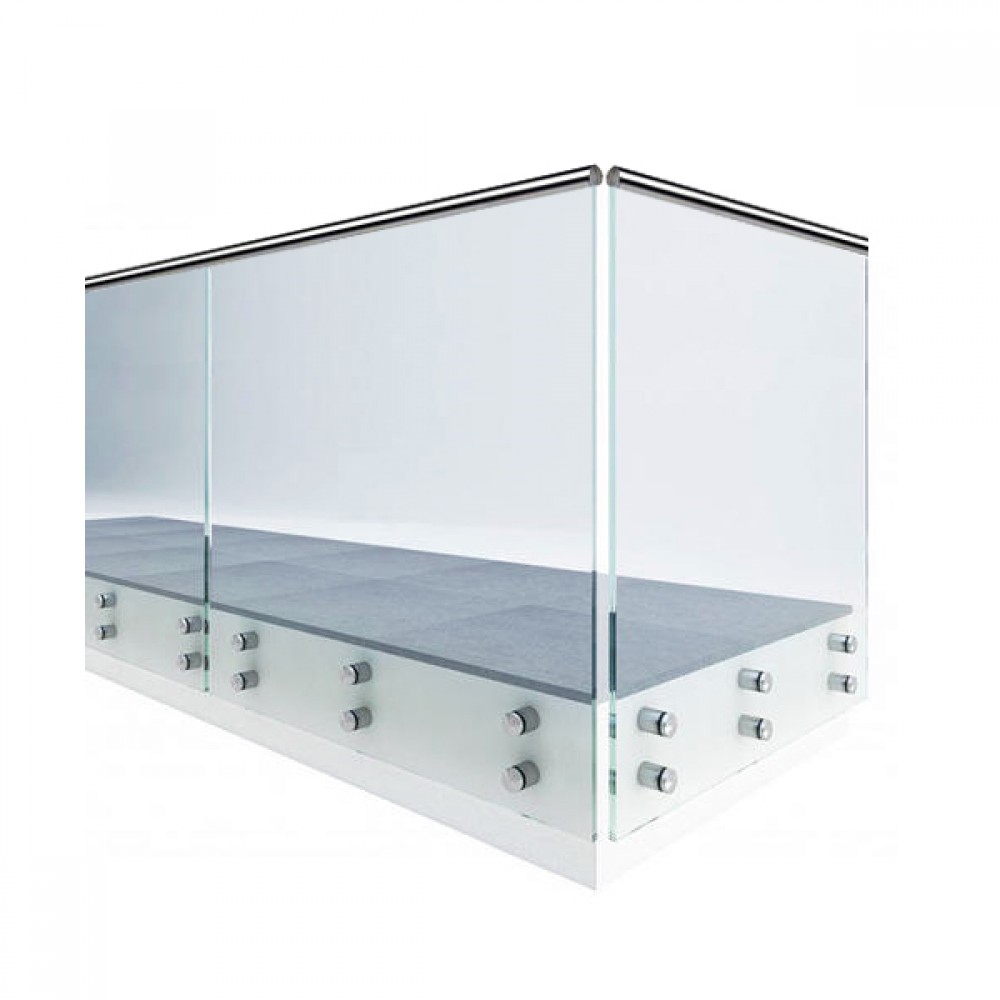
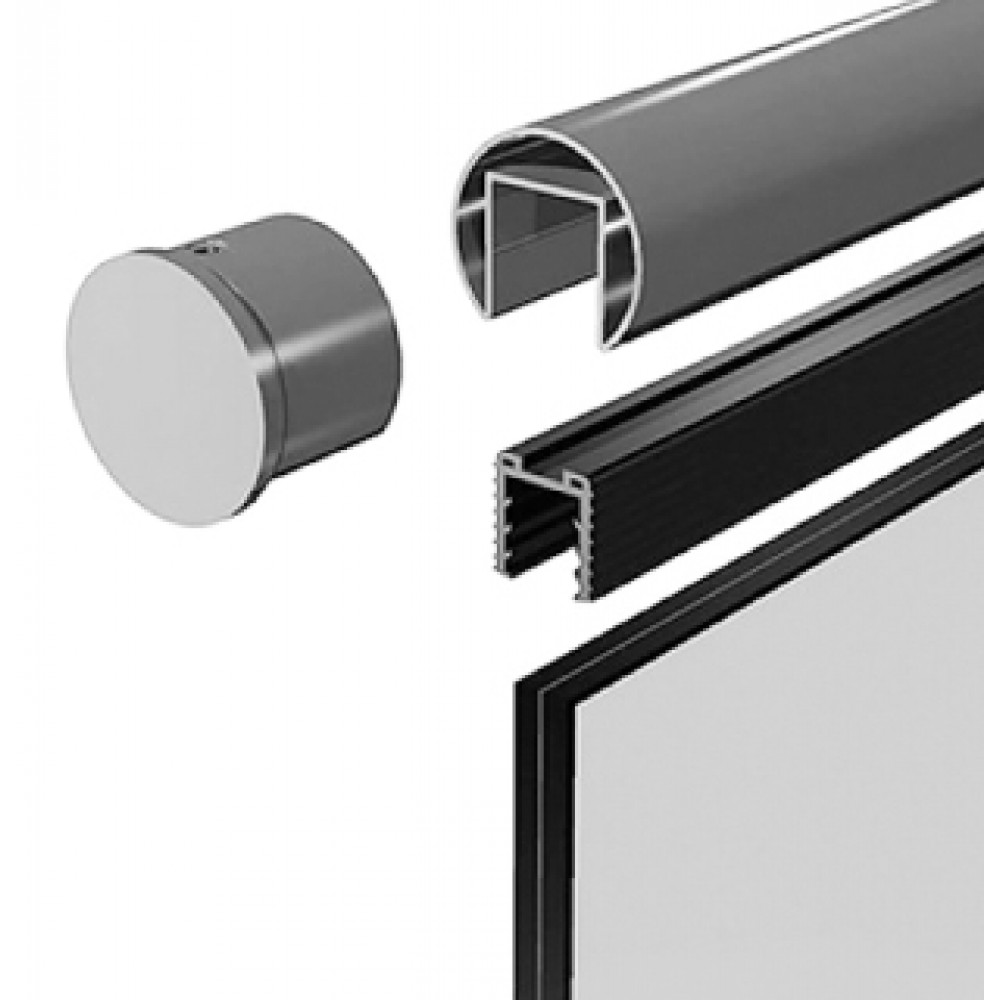
Under BS 6180, if you are using toughened glass, a continuous handrail is generally required. This is because if a single pane of toughened glass breaks, it shatters into small fragments, leaving a gap in the barrier. The handrail is designed to remain in place even if a pane fails, preventing a person from falling.
The Exception: You can often omit the handrail if you use toughened laminated glass, subject to the chosen balustrade choice. The reason for this is because the interlayer holds the glass together if one or both layers break, the barrier remains integral, allowing a handrail-less balustrade install.
N.B You must ensure the hardware, fixings and glass thickness are suitable for its intended purpose
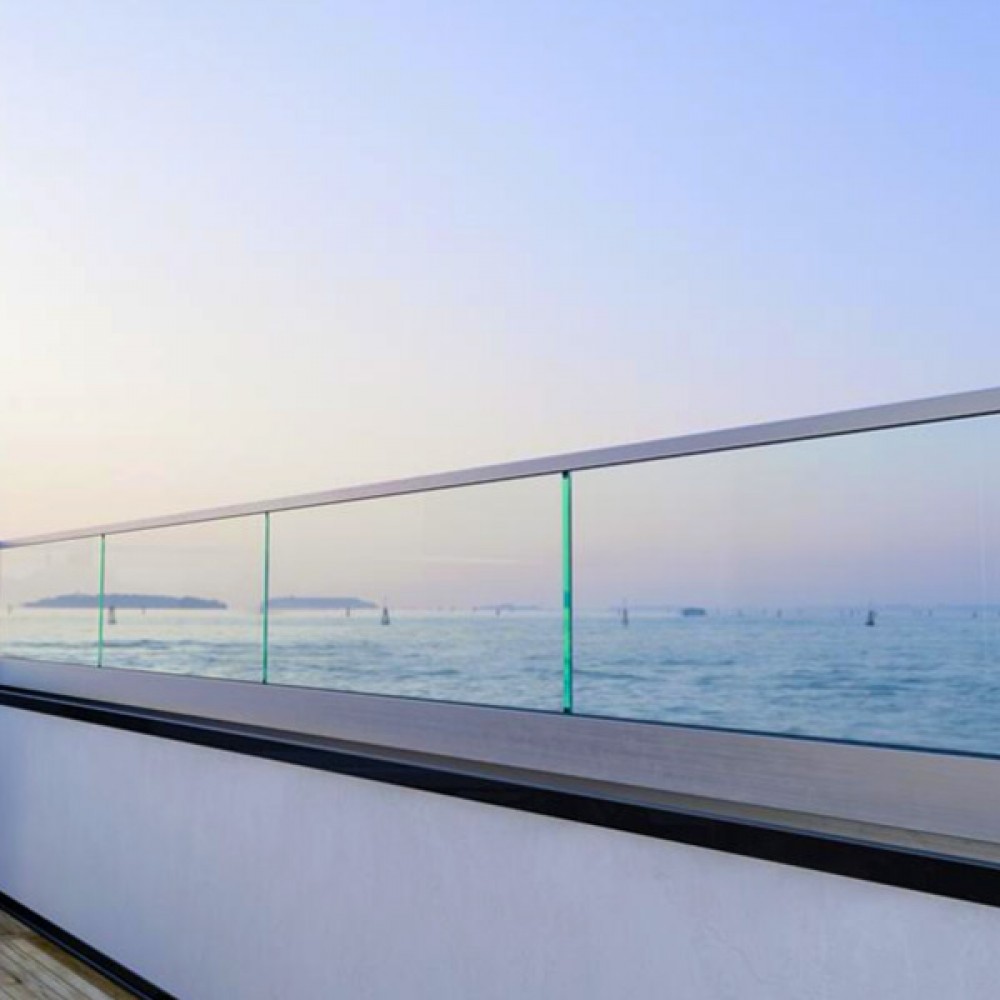


Even if a glass panel doesn't break, it shouldn't bend excessively. BS 6180 states that the maximum displacement of the barrier should not exceed 25mm when the design load is applied.
If your installation feels unstable or shows too much deflection, it usually comes down to:
- Substrate Issues: The bolts aren't biting into enough solid material.
- Hardware Choice: Using a light-duty balustrade system instead of the required components
- Glass Thickness: Using the incorrect, often thinner, glass specification
At GlassParts.co.uk, we don't just sell components; we sell systems designed to meet the required standards. All of our balustrade systems have been tested inline with BS6180, giving you confidence that every job you sign off is fully compliant.
Don’t risk failure. If you’re quoting on a high-spec commercial job or a tricky residential balcony, speak to our technical team today for hardware recommendations that meet the required standards.
This information is offered as guidance only, and is correct at the time of writing. Please ensure you seek further information on current local and national regulations.