









-1000x1000.jpg)















-1000x1000.jpg)




Mastering the U-Channel: Structural Integrity Meets Minimalist Design
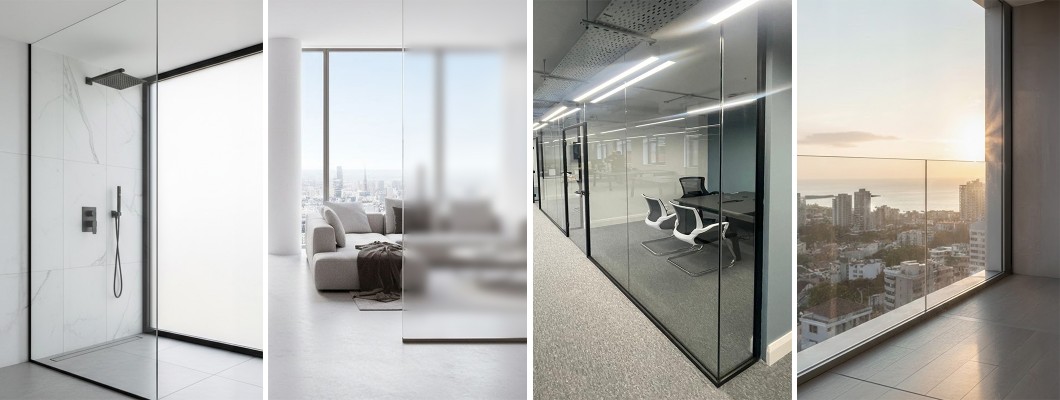
In the modern construction landscape, few components bridge the gap between structural necessity and aesthetic minimalism as effectively as the U-channel. While often deceptive in their simplicity, these profiles—typically forged from aluminium—are the backbone of contemporary glazing, office partitioning, and structural framing.
For industry specialists, selecting the correct profile is not merely about dimensions; it is about matching structural load, environmental conditions, and installation efficiency to the specific demands of a project. This guide breaks down U-channels by type and purpose to streamline your specification process.
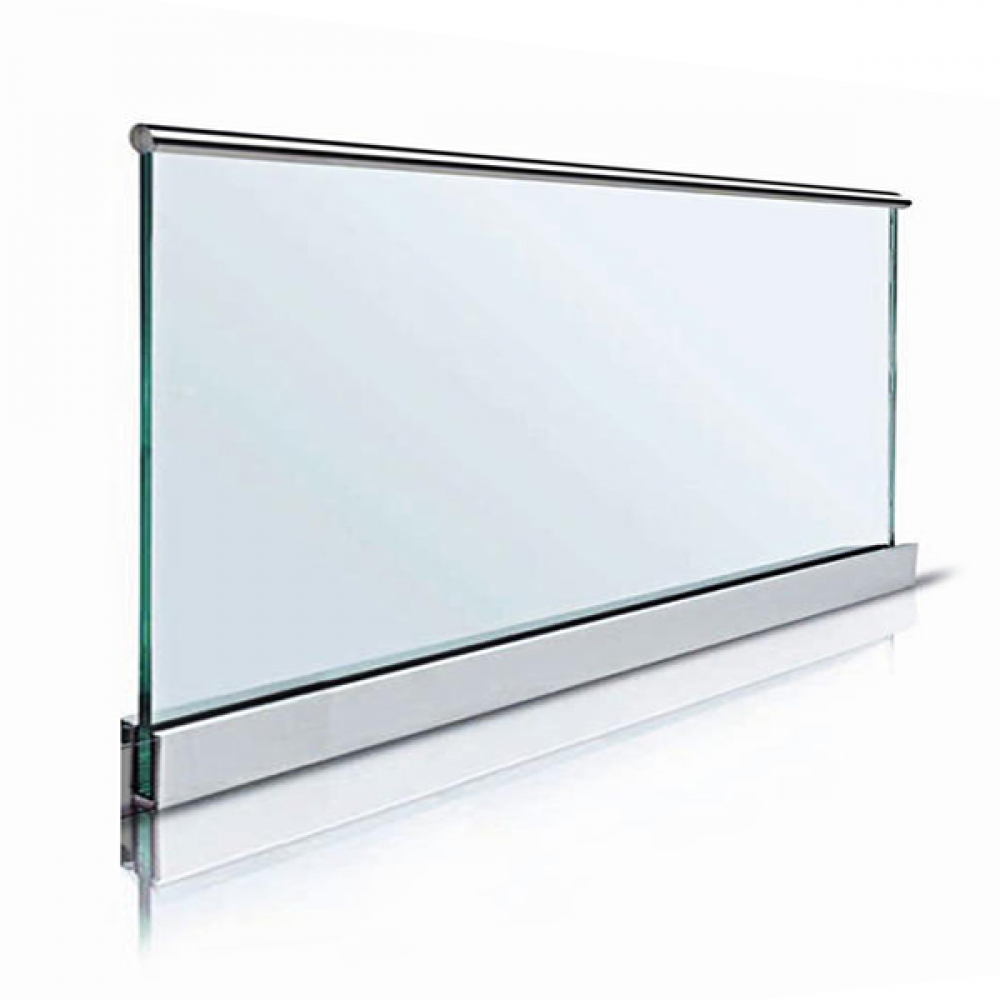
At its core, the U-channel is an open-ended design with two flat sides connected by a middle web. This profile offers high strength-to-weight ratios, allowing it to carry heavy loads while protecting material edges such as glass.
While steel profiles are available, aluminium variants dominate the glazing sector for their finish options and superior resistance to corrosion.
To achieve precision in installation, it is vital to distinguish between the specific variants available.
-
Standard U-Channels
These are the industry workhorse, typically designed for glass thicknesses of 8-12mm.. They are cost-effective and versatile, suitable for general shower enclosures.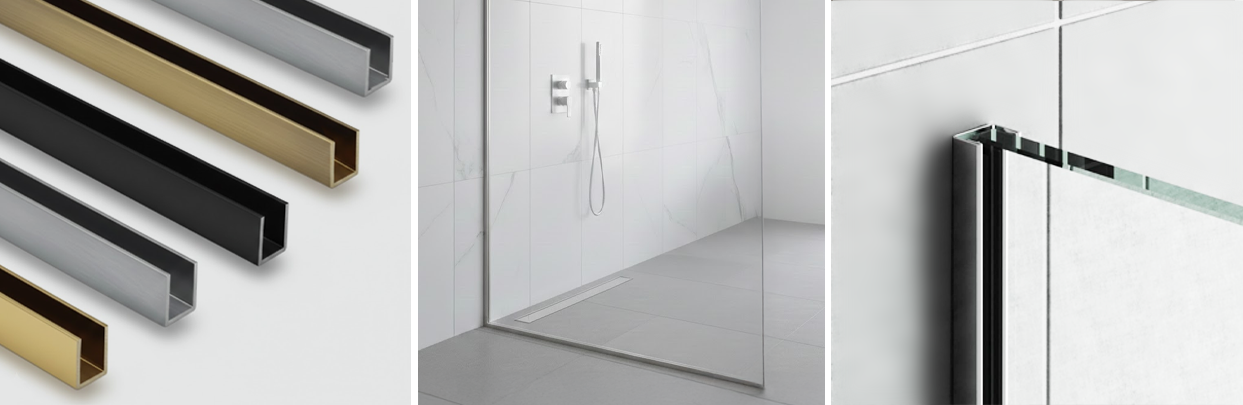
-
Structural U-Channels
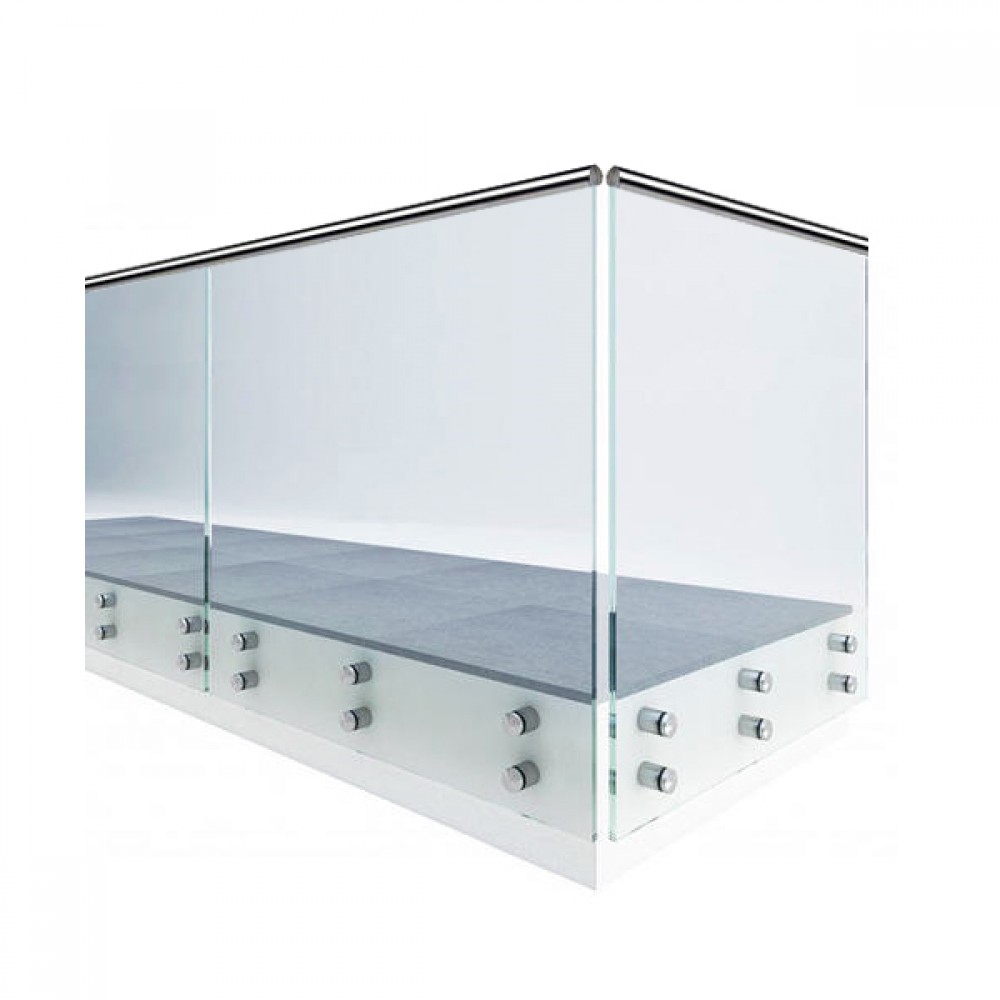
For balustrades and balconies, heavy-duty channels are essential. They are engineered to support thicker panels for both toughened and laminated glass from 12mm to 21.5mm glass thicknesses. They provide the maximum strength required for safety compliance in both residential and commercial installations.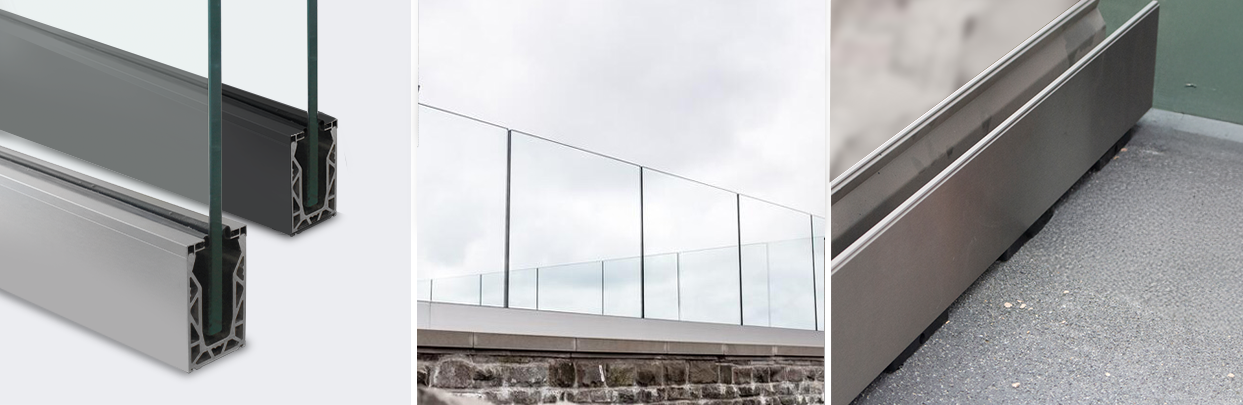
-
Dry Glaze U-Channels
These profiles are increasingly preferred for rapid commercial installations. Unlike wet systems that rely on curing silicones, dry glaze channels utilise internal rubber gaskets. This significantly reduces installation time & eliminates mess.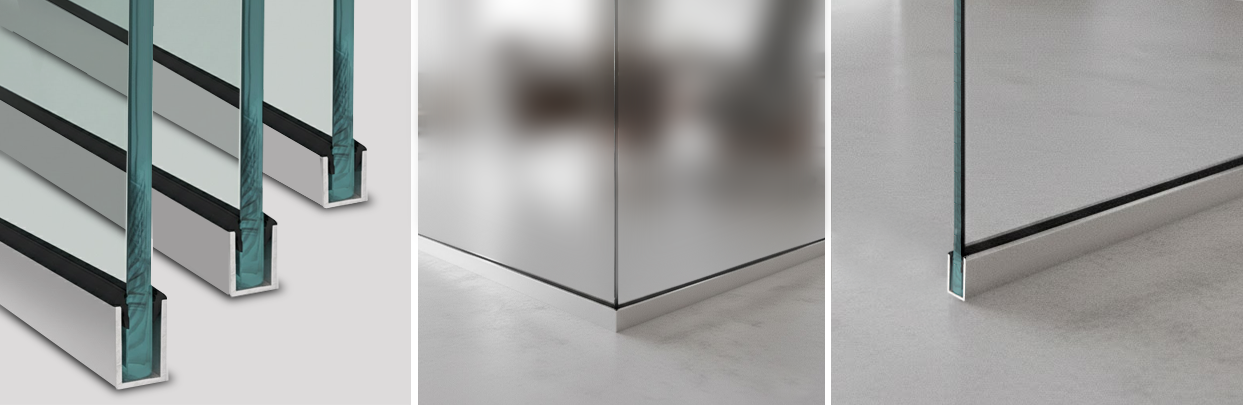
-
The Two-Part Channel System
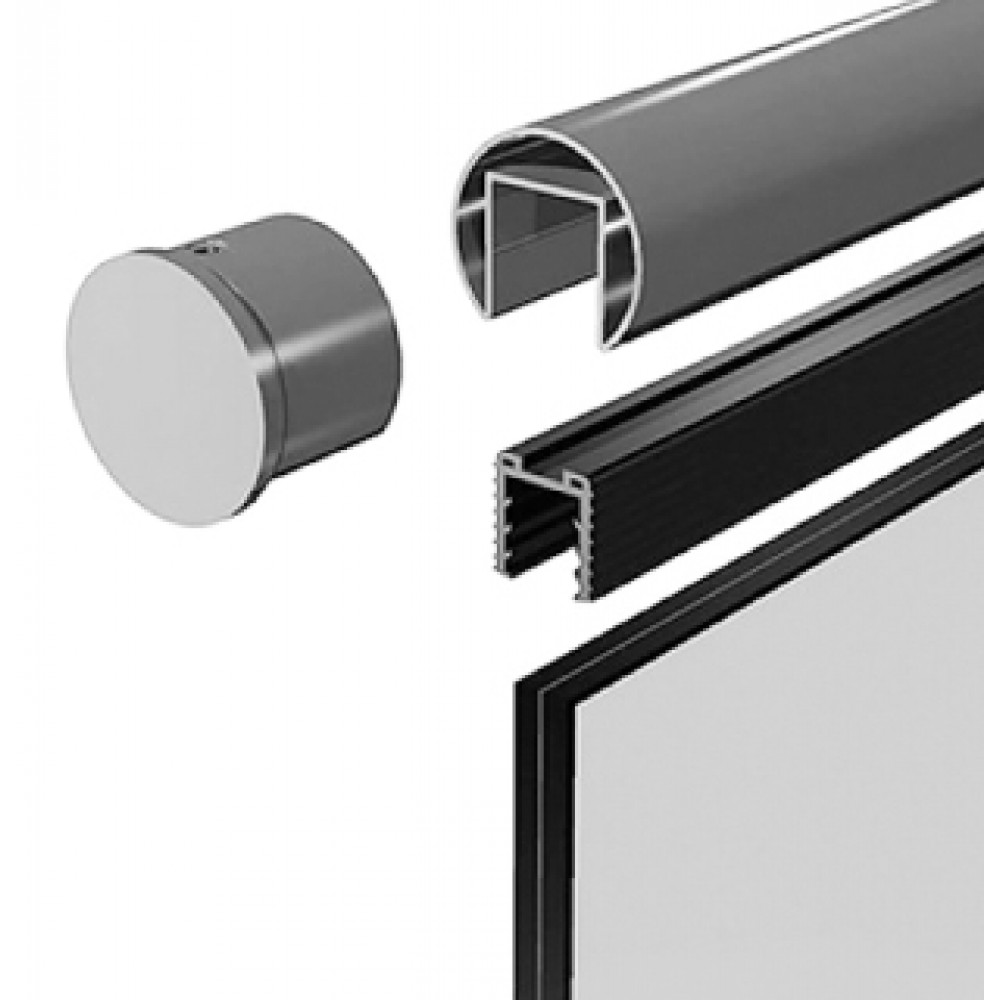
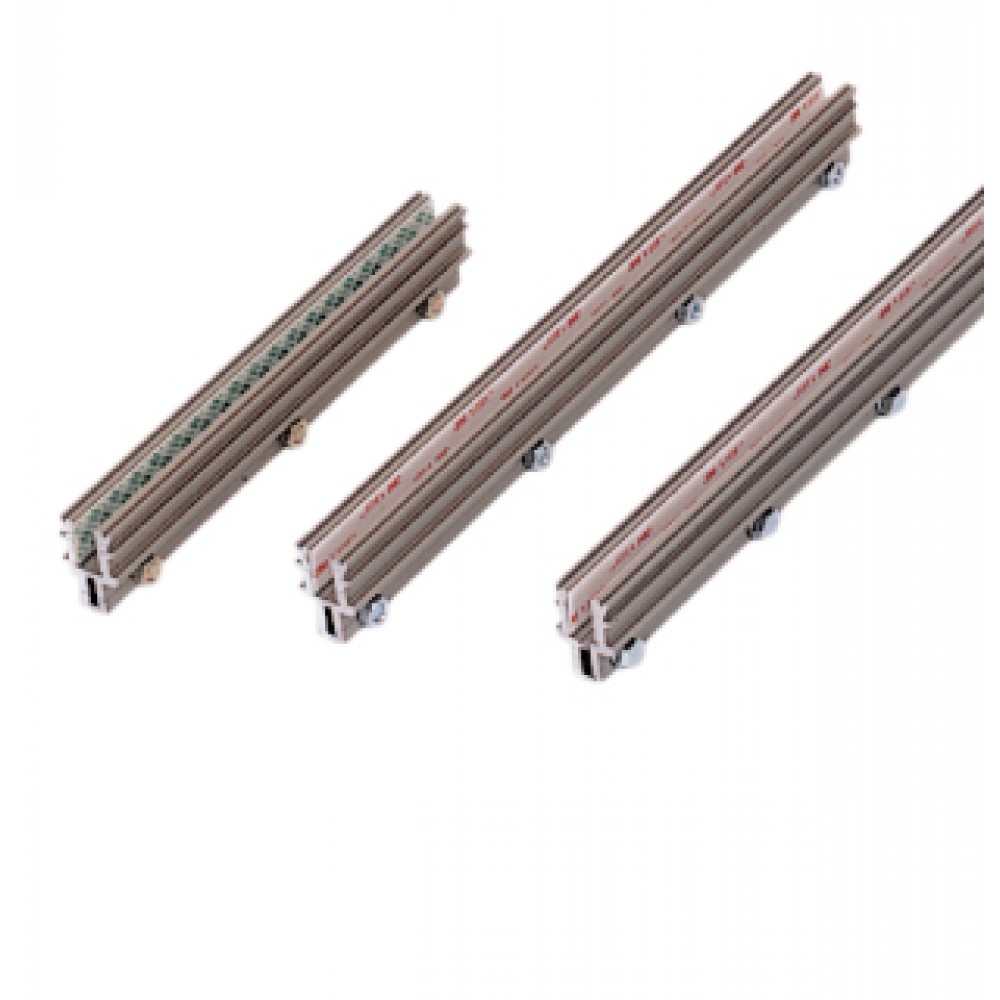
A crucial distinction in professional partitioning is the use of Two-Part Channels. These consist of a base channel and a separate clamping channel and are used in conjunction with internal rubber gaskets. They are specifically designed for walls and floors to provide enhanced stability and anchor the glass firmly.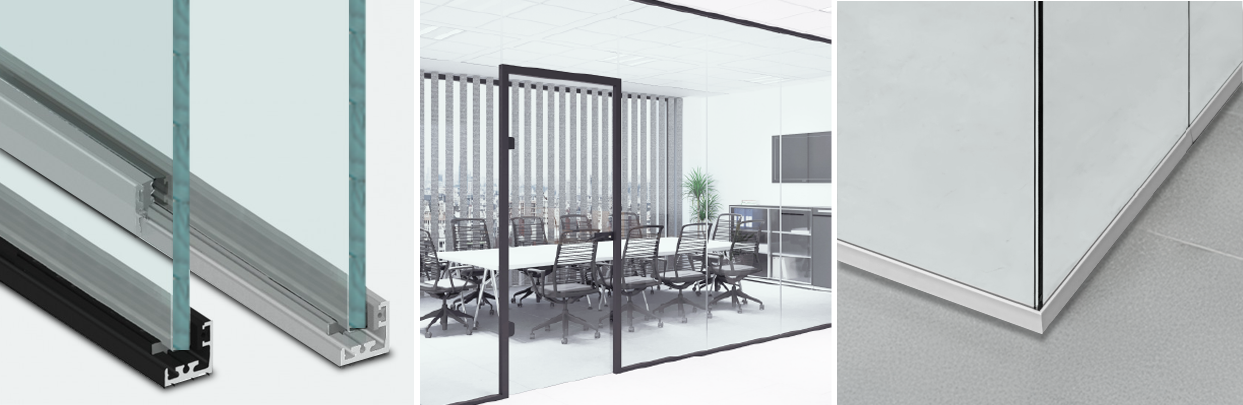
To ensure longevity and safety,we would recommend that you adhere to some simple, yet important, guidelines:
- Gaskets and Isolation: Never allow direct metal-to-glass contact. Always use rubber gaskets or glass packers to absorb shock and distribute the weight of the glass.
- fixing spacing: To prevent bowing, countersunk screws or anchors should be spaced consistently, typically every 200–300 mm.
- Thermal Expansion: In longer runs, particularly for exterior balustrades, minor gaps must be left at the channel ends to accommodate thermal expansion and slight movement.
Whether you are completing a bespoke shower installation or a high-end glass partition, the U-channel is an indispensable tool. By utilising the correct glazing channel, glazing specialists can achieve a balance of cost-efficiency, structural integrity, and the modern aesthetic that clients demand.