









-1000x1000.jpg)

















-1000x1000.jpg)




Technical Guide: Optimizing Structural Integrity with Point Fixing Balustrades
For professional glaziers and architectural metalworkers, achieving a frameless aesthetic without compromising structural load capacity is a frequent challenge. Point fixings—often referred to as standoffs or adapters—offer a solution that minimizes visual obstruction while maintaining rigorous safety standards.
This guide details the technical application of point fixings, supported by specific load test data concerning glass thickness, interlayer composition, and fixing density.
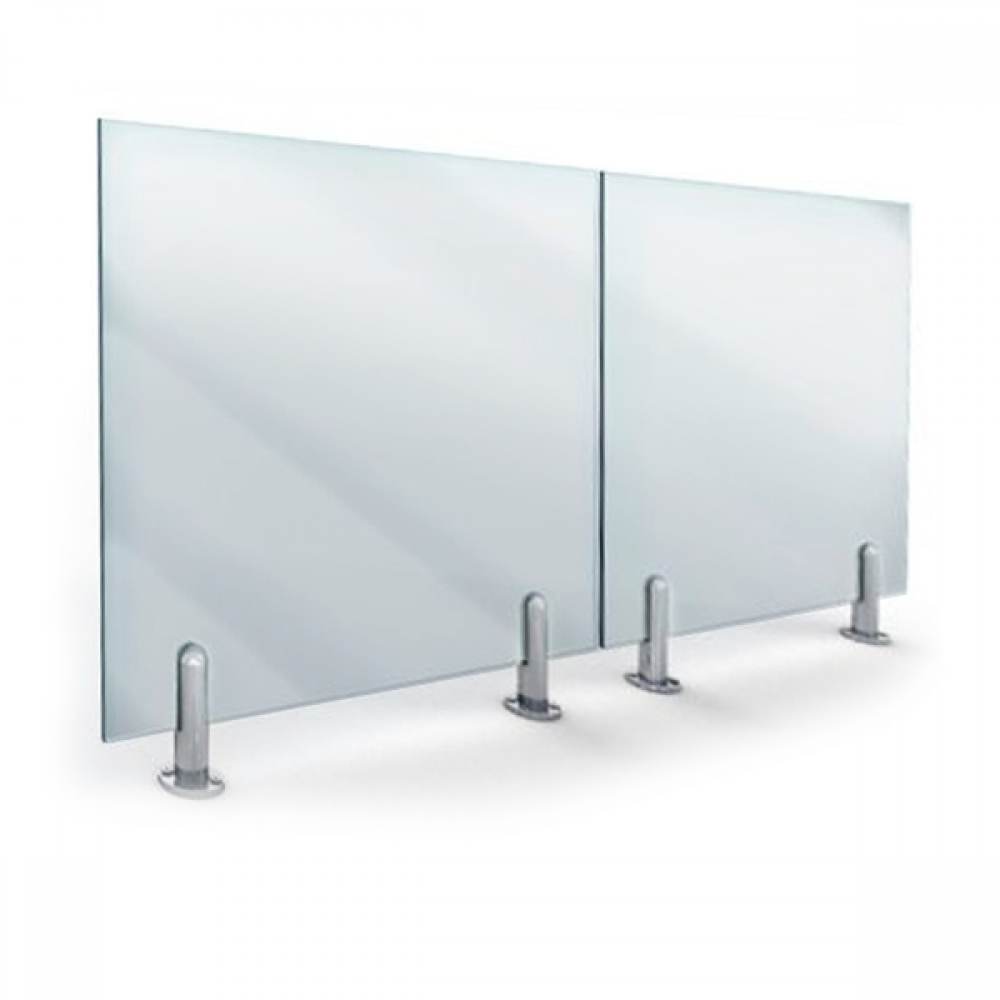
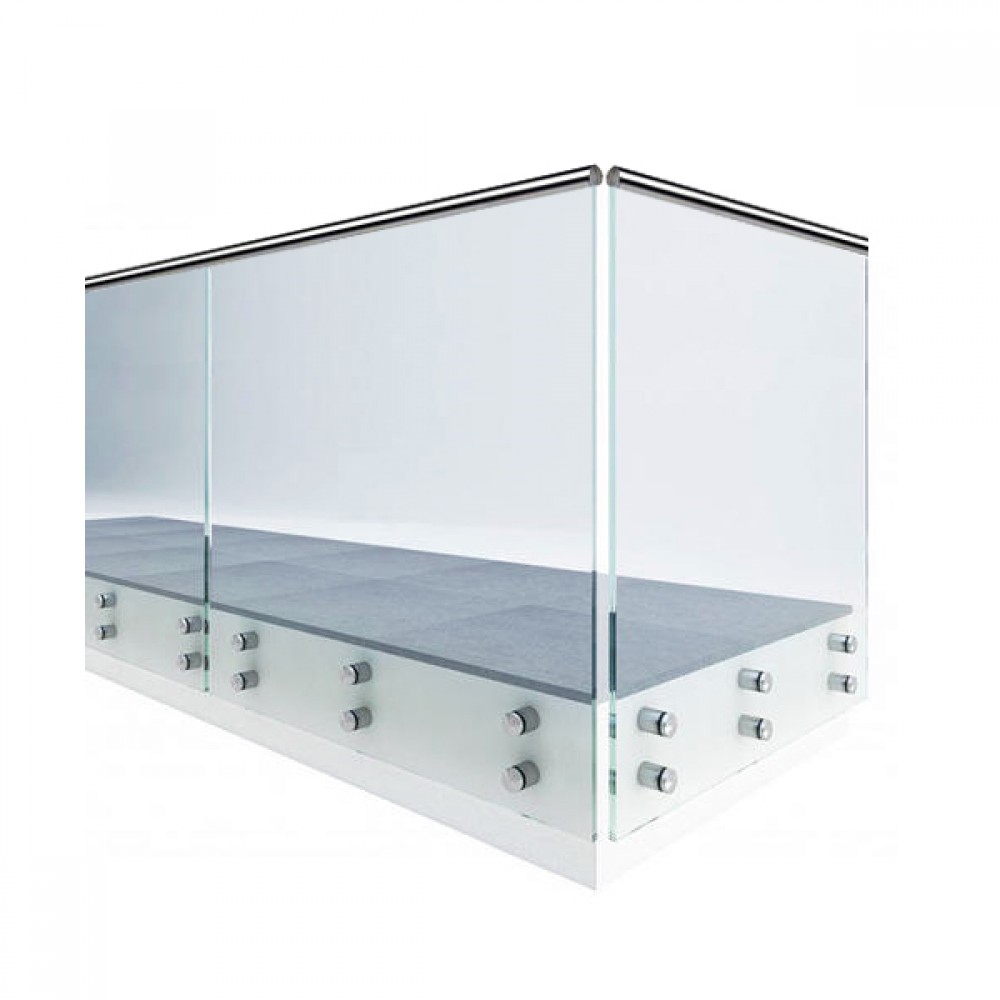
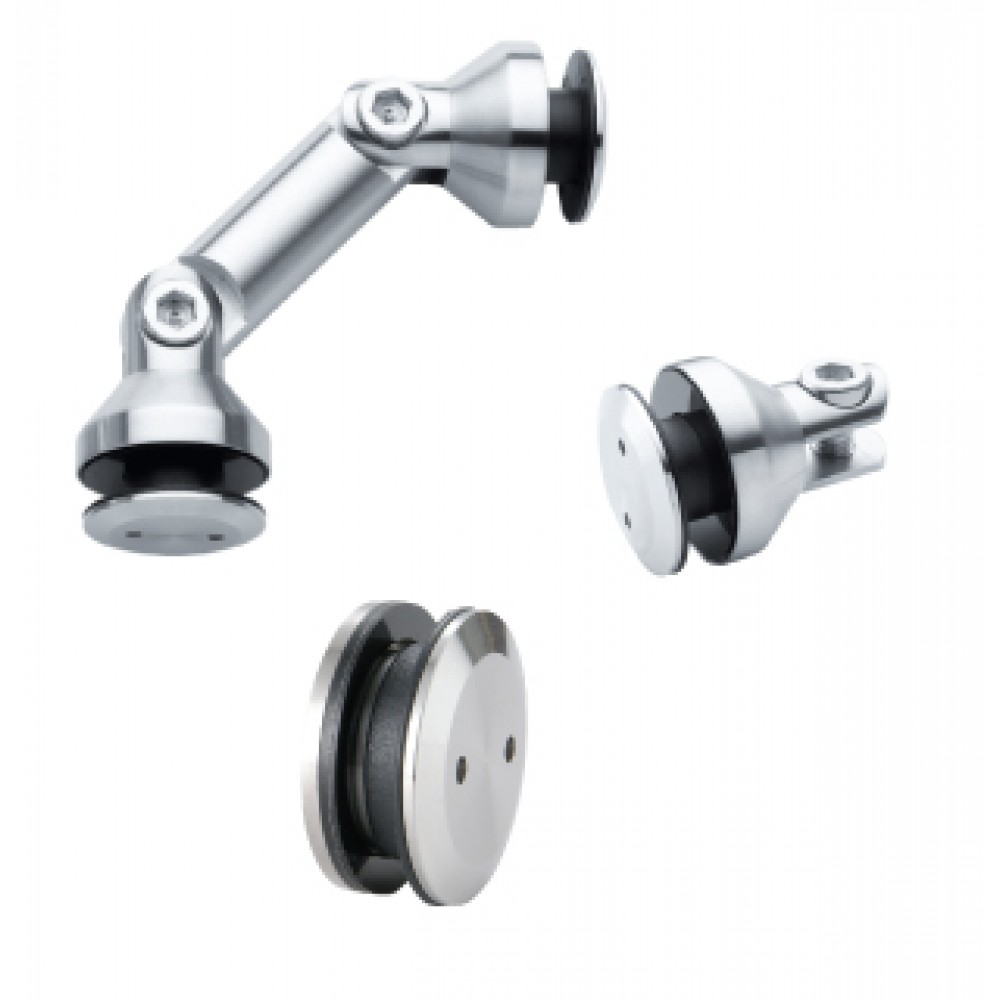
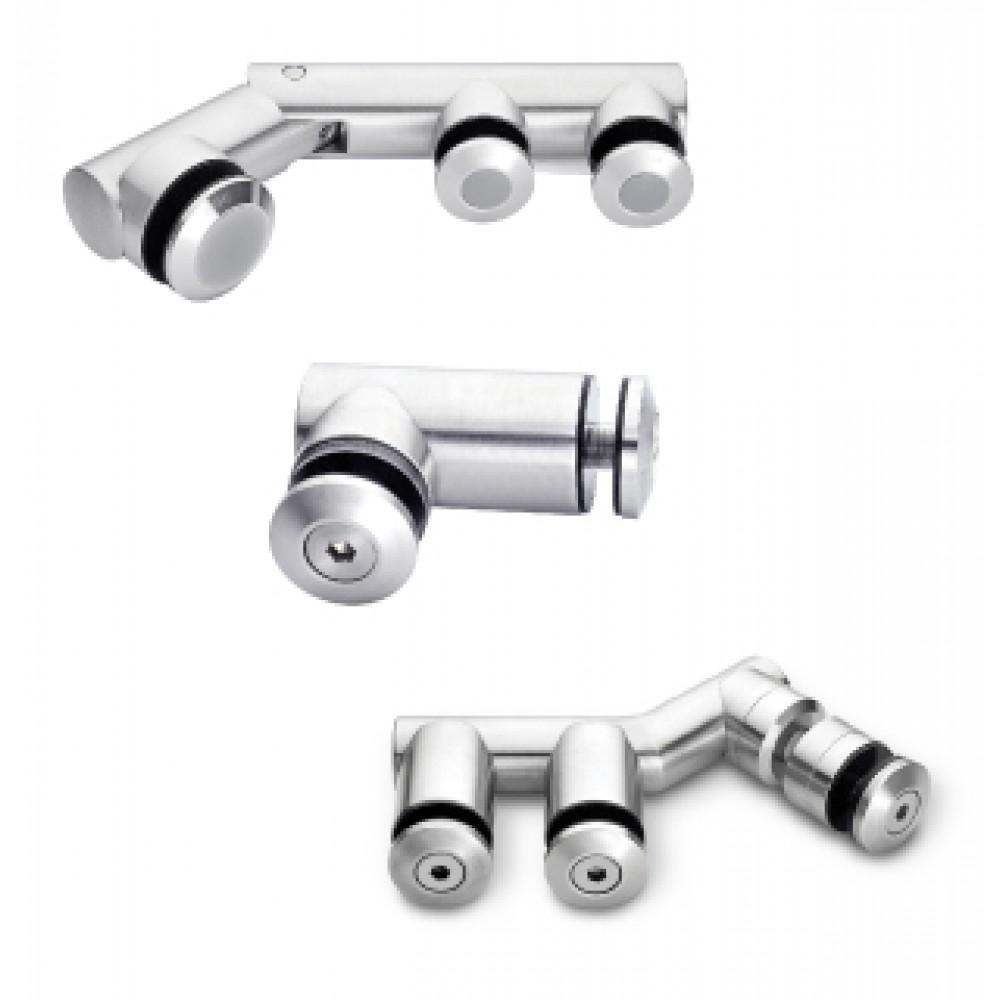
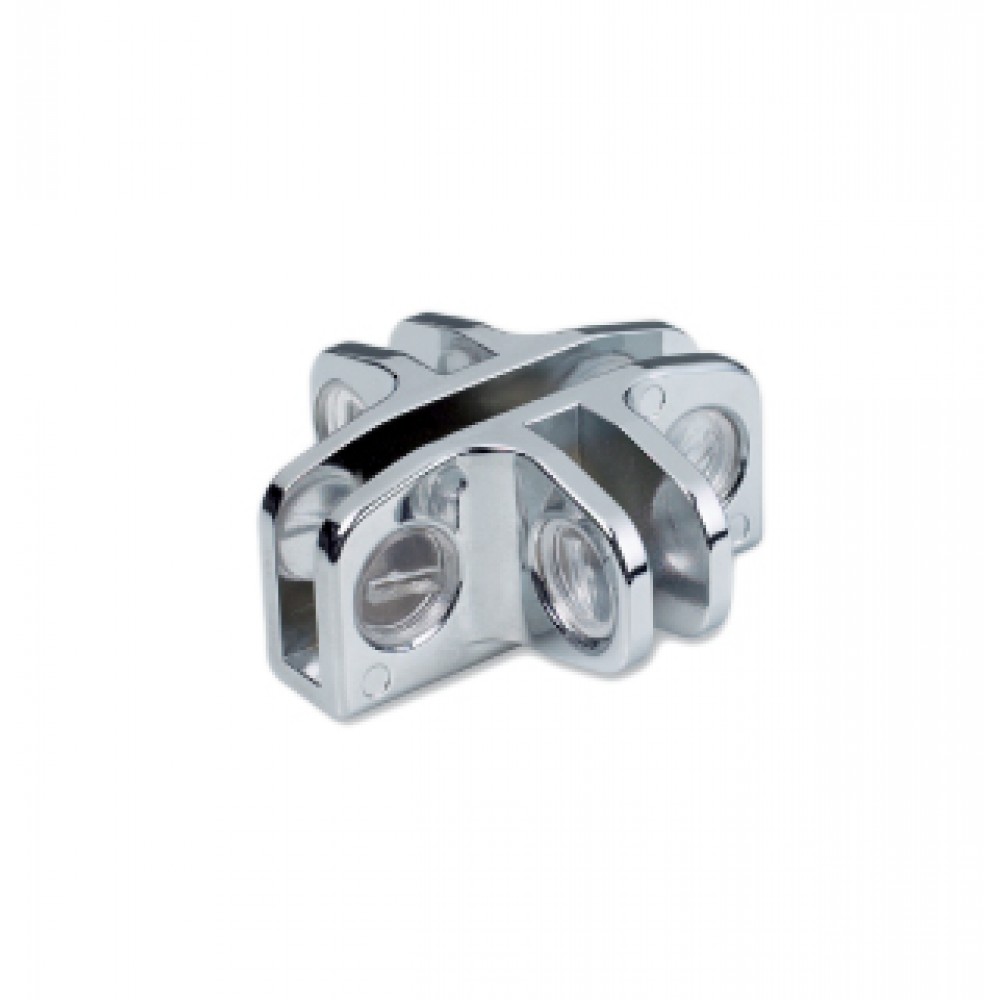
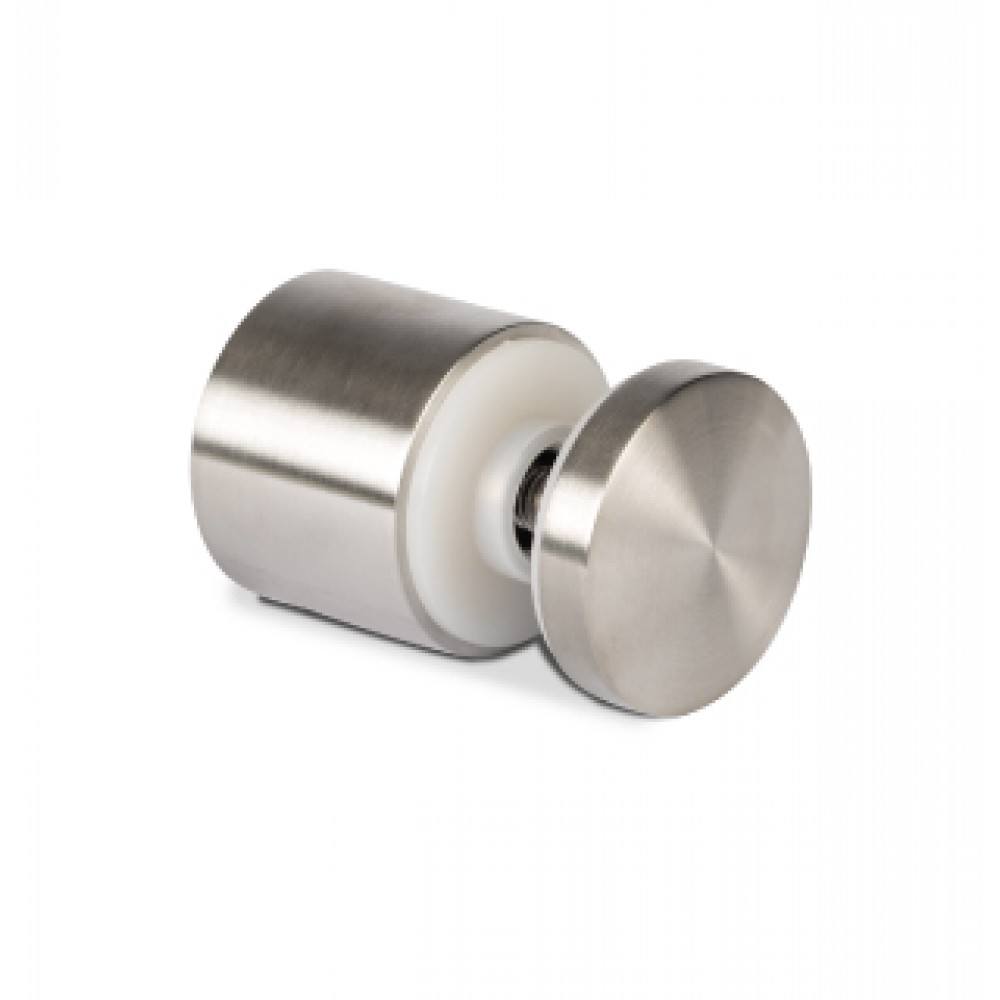
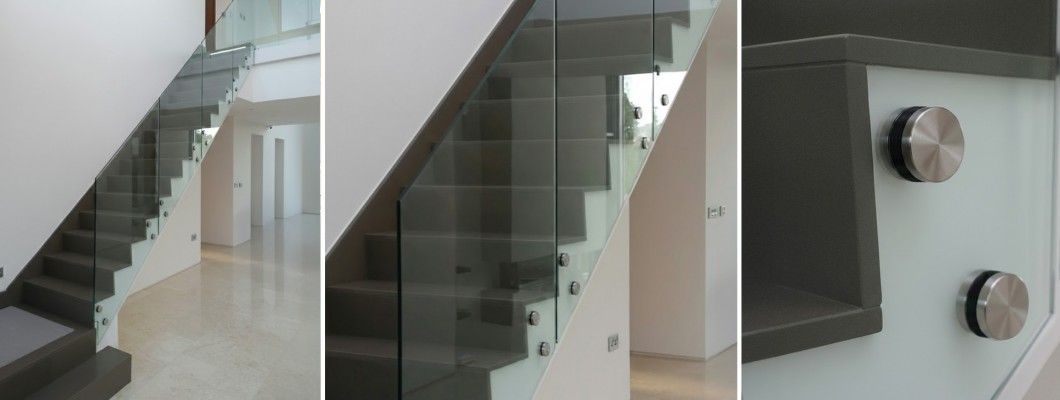
Point fixings are metal brackets designed to support glass panels by clamping them through pre-drilled holes, keeping the glass free of apparent vertical posts or continuous channels. These systems are anchored directly to the substrate—whether a floor, wall, or stringer—creating a minimalist "floating" appearance.
For skilled tradesmen, the adaptability of point fixings is one of the things of interest. These systems are suitable for both indoor and outdoor environments, making them ideal for residential stairways, juliet balconies and/or commercial balustrades which may be subject to large numbers of people.
When specifying point fixings, the choice of glass thickness, interlayer type, and the number of fixings per panel dictates the structural capacity. The following data is derived from industry-standard tests (BS6180 and EN1991-1-1) using 50mm diameter stainless steel point fixtures.
For residential projects where budget and weight are factors, 15mm toughened glass is a viable option, though it has specific load limits.
Configuration: Tested with 6 fixings per panel (M10 bolts, 45mm standoff).
Performance: The system successfully achieved a uniformly distributed line load of 1.0kN/m with a deflection of 23.53mm.
Compliance: Suitable for domestic and residential activities, that does not require laminated glass
Limitation: It did not achieve the 1.5kN/m threshold required for high-traffic public areas.
Laminated glass offers safety redundancy, but the PVB or EVAinterlayer affects rigidity under load.
Configuration: Tested with 4 fixings per panel using M10 bolts.
Performance:
0.74kN/m: Achieved with deflections ranging from 16.77mm (30mm standoff) to 19.00mm.
1.0kN/m: The system pushed the deflection limits (25.00mm) or failed to achieve the load depending on the specific standoff depth.
Compliance: Suitable for both internal and external residential installations such as staircases and balconies.
Limitation: It is not recommended for environments requiring higher load resistance, including commercial areas where people may congregate
For commercial applications or areas requiring loads of 1.5kN/m or higher, 21.5mm glass is the standard. The performance varies significantly based on the interlayer (PVB vs. SGP) and the number of fixings (4 vs. 6).
Standard PVB Interlayer:
Configuration & Performance:
4 Fixings per Panel: Achieved 1.5kN/m with a deflection of 21.41mm.
6 Fixings per Panel: Significantly reduced deflection to 17.05mm at a 1.5kN/m load.
6 Fixings per Panel: Similar performance, achieving 1.5kN/m with 18.14mm deflection.
Compliance: Each of the configurations above are suitable for commercial applications but not those that may be subject to overcrowding
Configuration: 6 fixings per panel.
Performance:
1.5kN/m: Deflection was minimal at approximately 15.06mm.
The system sustained a massive 3.02kN/m at 25mm deflection.
Compliance: This configuration meets the highest safety requirements, making it suitable for crowded public spaces and critical barriers.
For skilled glaziers, the "frameless" look of point fixings does not require a compromise on safety. By selecting the correct glass specification, you can achieve barriers capable of withstanding loads up to 3.0kN/m. However, for standard residential projects, either toughened or toughened & laminated systems glass may provide both a compliant and cost-effective alternative.
Please ask a member of the team for a copy of test reports should you need them.