









-1000x1000.jpg)















-1000x1000.jpg)




30 Apr
0
103
Navigating glass balustrade regulations can feel like a bit of a maze, but in the UK, it essentially boils down to three primary pillars: Safety, Height, and Strength.
If you are planning an installation, here are the specific regulations and standards that dictate what you can and cannot do.
1. The "Big Three" Regulations
- Document K: It specifies where you need a barrier and the minimum heights required. Find out more about Document K on the UK Government's Planning Portal.
- BS 6180: It provides the technical details on "loadings"—basically how much force the glass must be able to withstand if someone leans or falls against it. View our guidance on required balustrade loadings here.
- BS EN 12600: These cover the impact testing of the glass itself, ensuring that if the glass does break, it does so safely (shattering into tiny blunt pieces rather than dangerous shards).
2. Minimum Balustrade Height
The required height of your balustrade changes depending on where it is located:
| Location | Minimum Height |
|---|---|
| Internal (Stairs & Landings) | 900mm |
| External (Balconies, Decks, Roofs) | 1100mm |
3. Glass Type & The "Handrail Rule"
The type of glass you choose determines whether you are legally required to have a metal handrail on top.
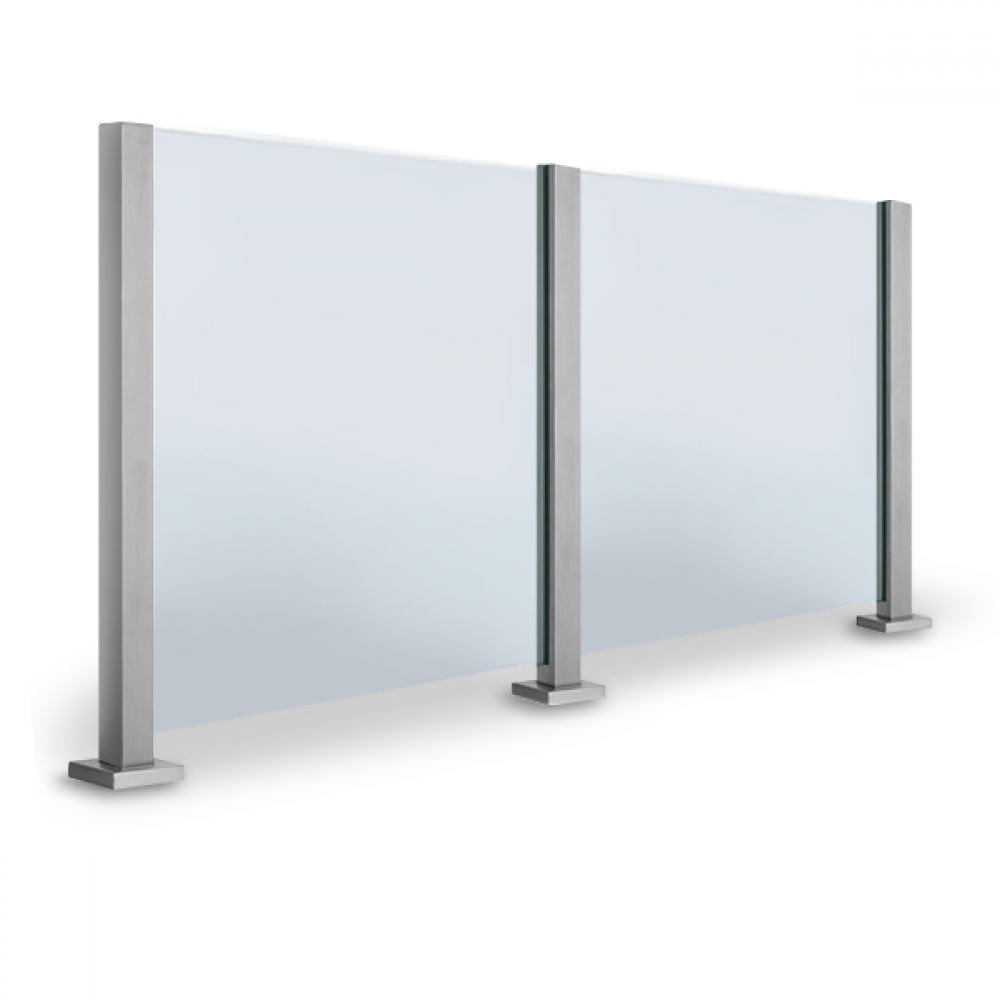
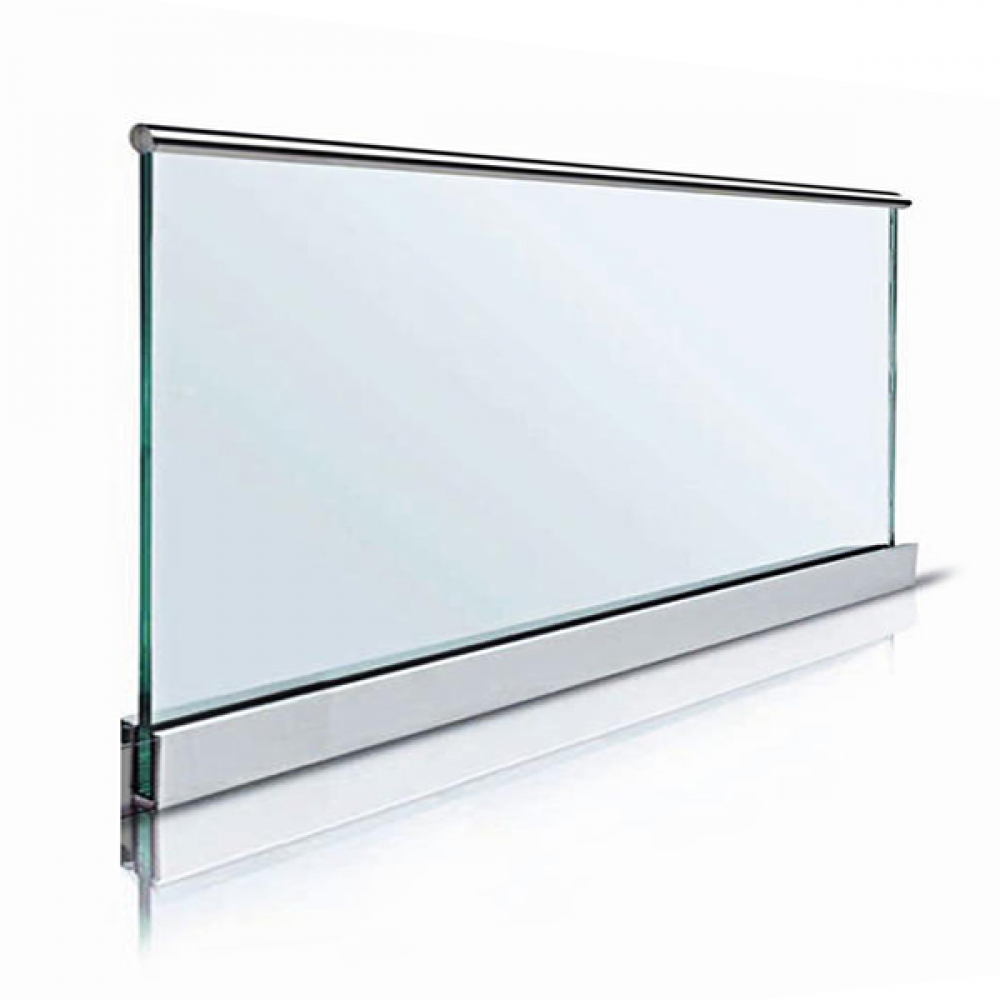
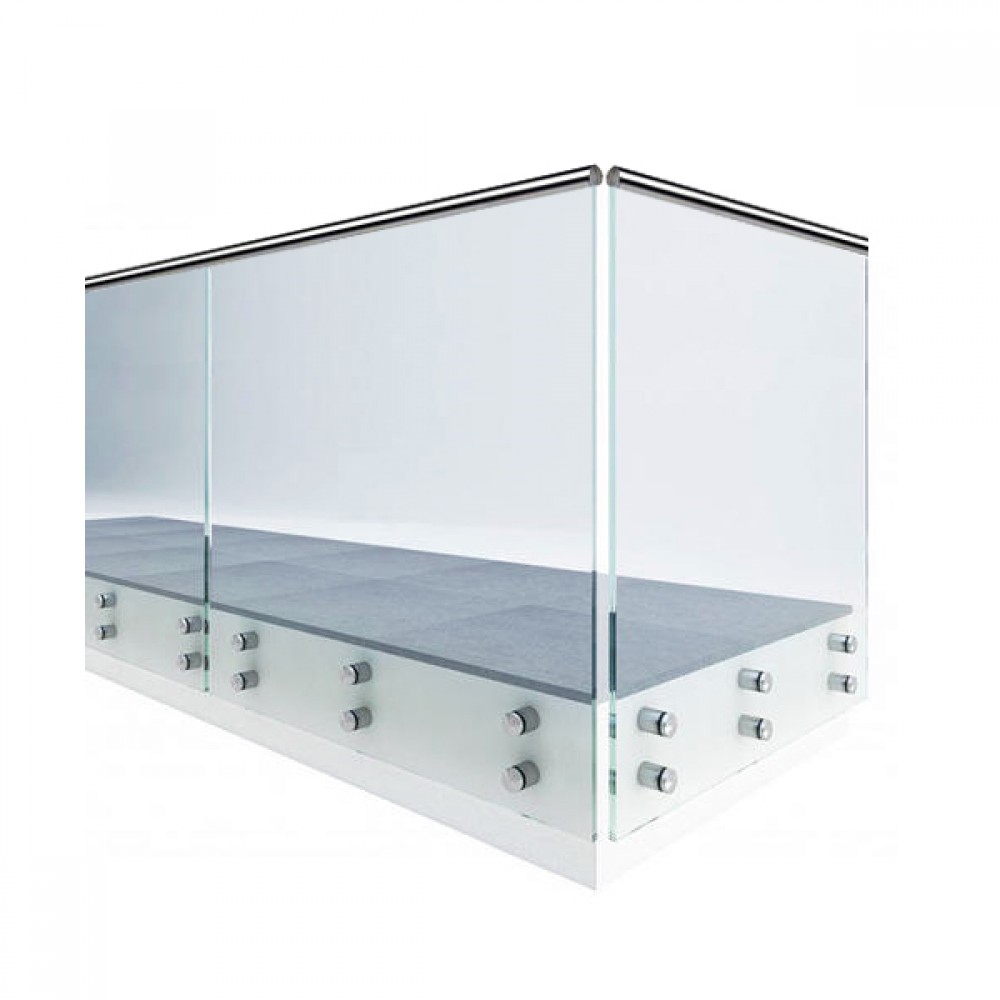
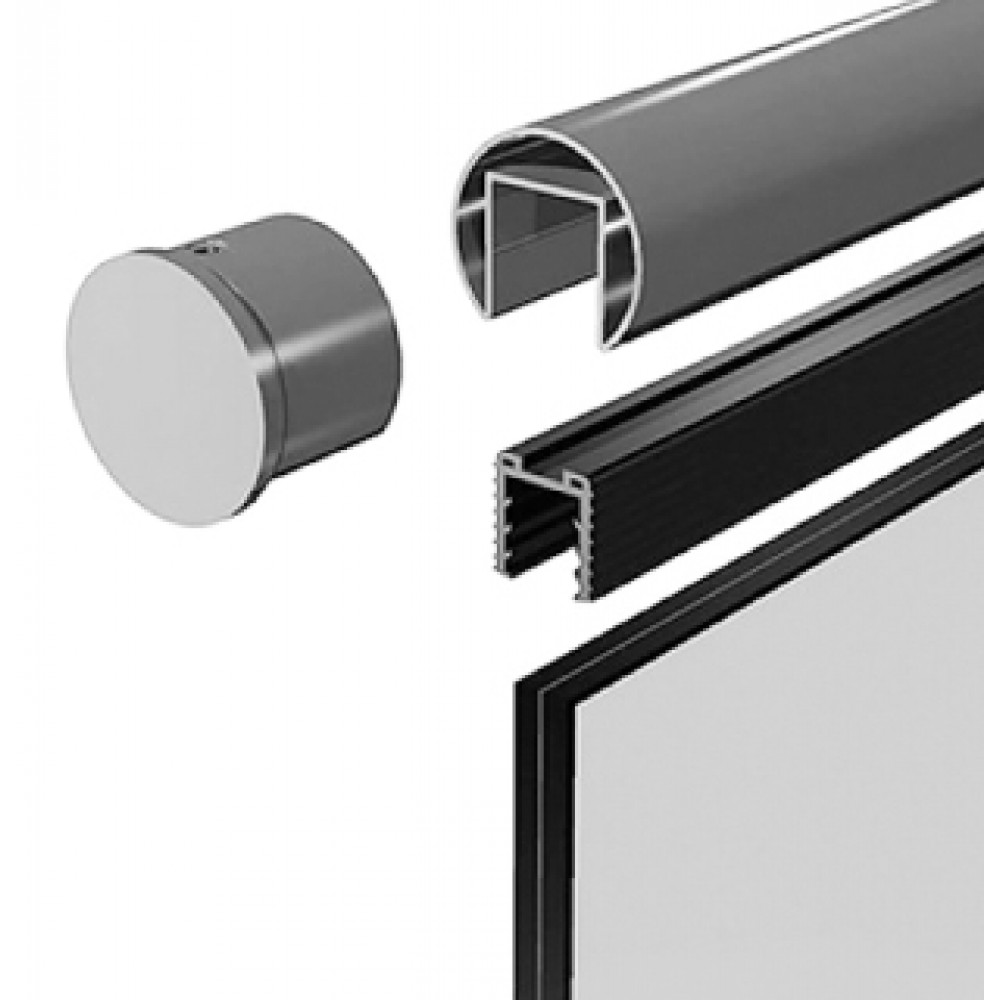
- Toughened Glass (Monolithic): If you use standard toughened glass, you must have a continuous handrail. This is because if a single pane of toughened glass shatters, it disappears completely. The handrail must be fixed independently so that if the glass fails, the rail remains to stop someone from falling.
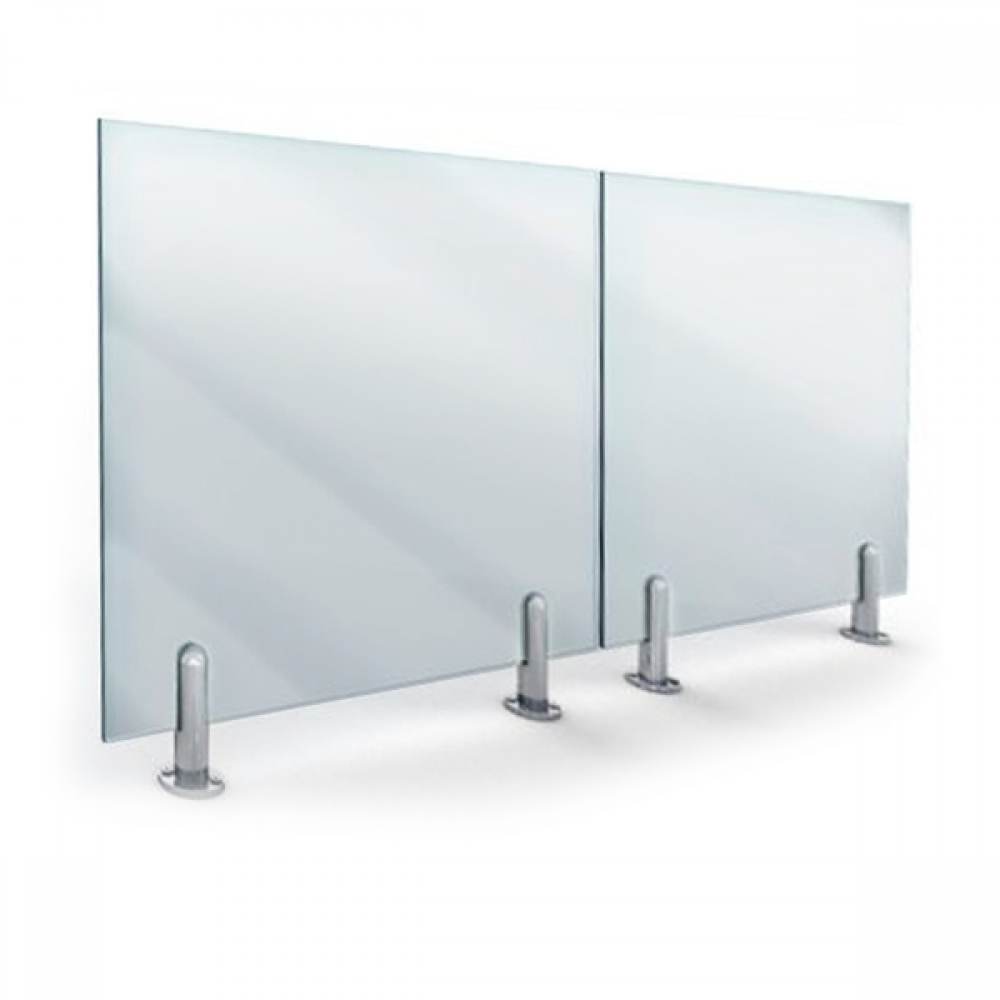
- Laminated Toughened Glass: This consists of two layers of glass bonded with a specialist interlayer. If one layer breaks, the interlayer holds the panel together. Because of this "fail-safe" property, you can often go frameless (no handrail), provided the glass is thick enough (typically 17.5mm or more) and the fixings are structurally calculated.
4. Key Design Safety Rules
- The 100mm Sphere Rule: In any building where children under five might be present, there must be no gaps in the balustrade large enough for a 100mm sphere to pass through. This prevents a child's head from getting stuck.
- The "Climbability" Rule: Regulations state that the design should not be "easily climbable." GlassParts discourage using horizontal wire systems or rails because they act as they act like a ladder.
- Load Requirements: For a standard domestic dwelling, the balustrade must be able to withstand a "line load" (horizontal force).
5. High-Rise Buildings
- If you are working on a high-rise building (over 11m), be aware that fire safety regulations (related to Approved Document B) have become much stricter regarding the use of laminated glass interlayers, often requiring specific non-combustible materials or the addition of a handrail for edge protection. Find out more about Document B on the UK Government's Planning Portal
Do you need more information? Speak to a member of our team or seek professional advice
This information is offered as guidance only, and is correct at the time of writing. Please ensure you seek further information on current local and national regulations.