









-1000x1000.jpg)















-1000x1000.jpg)




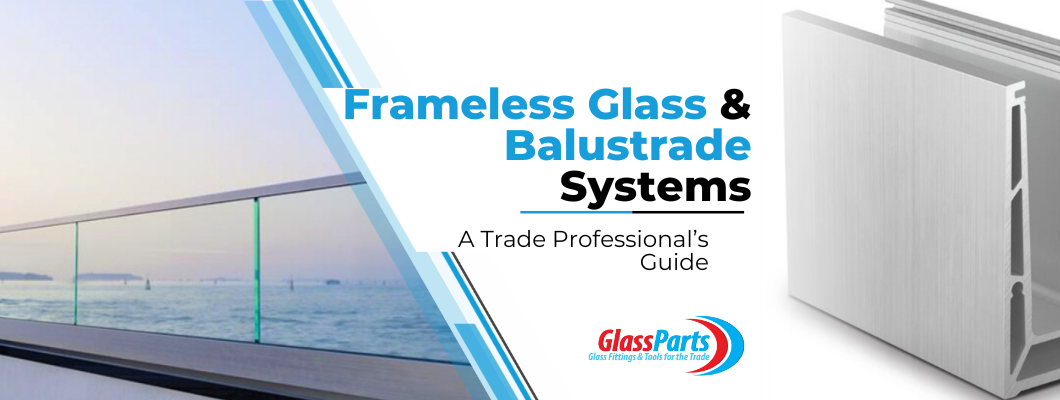
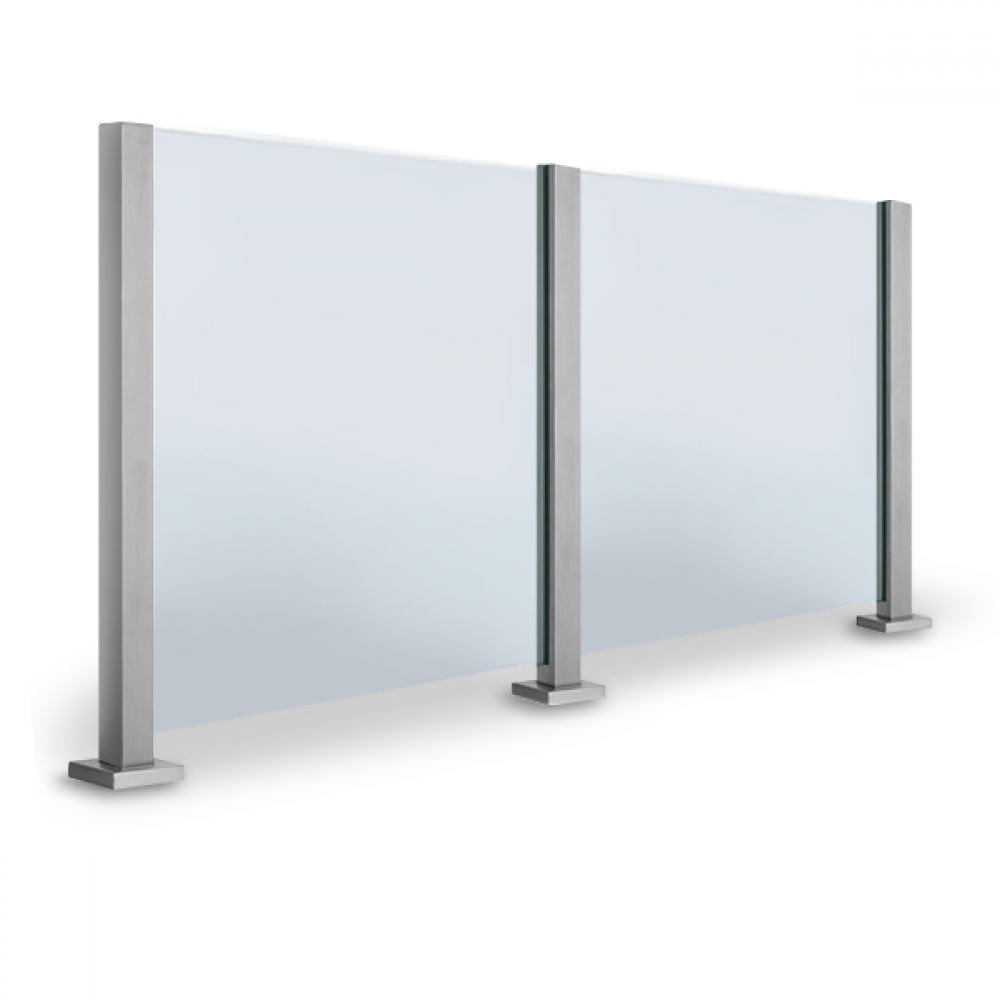
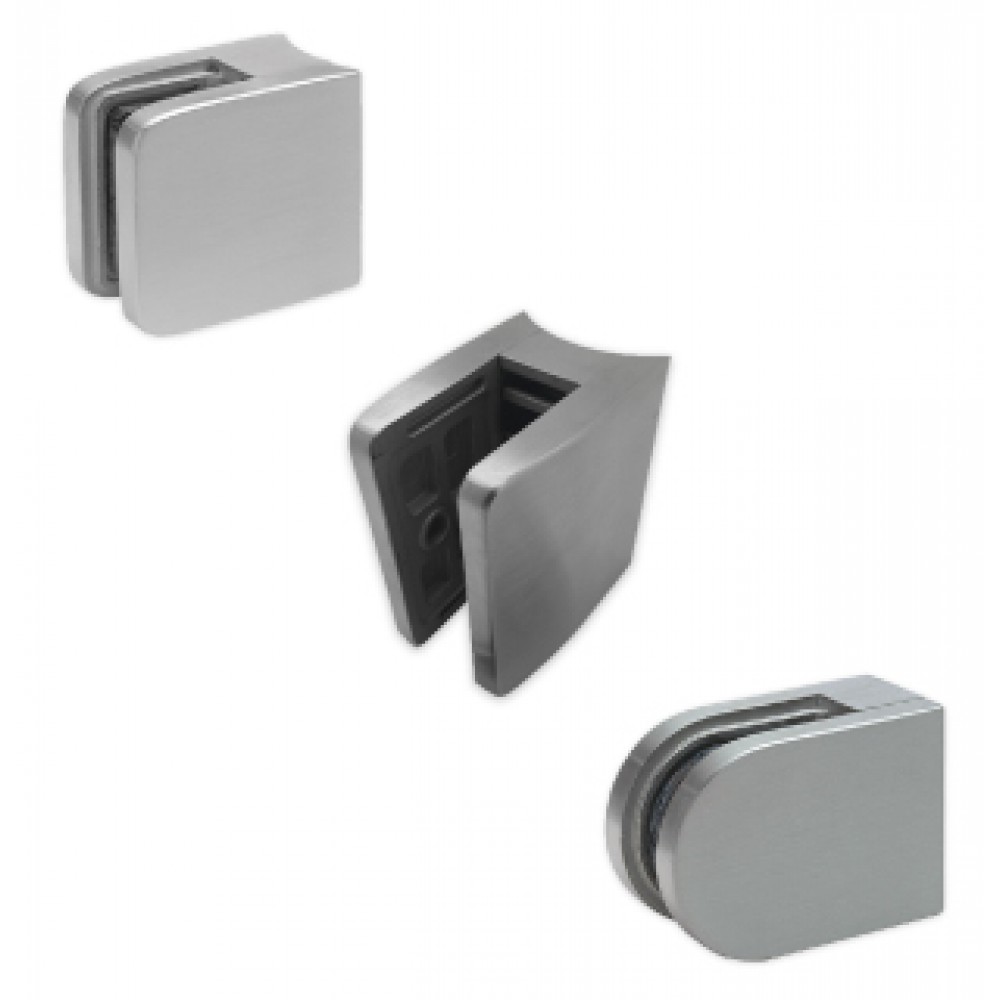
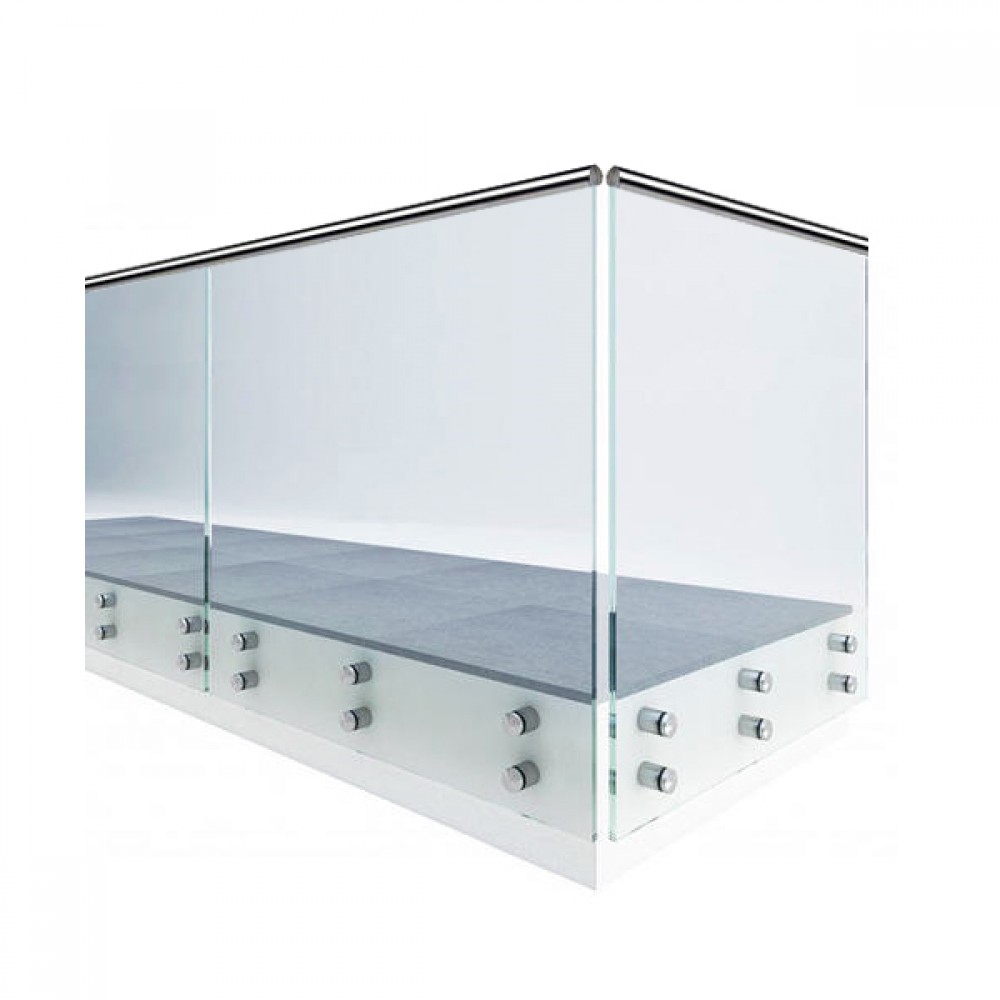
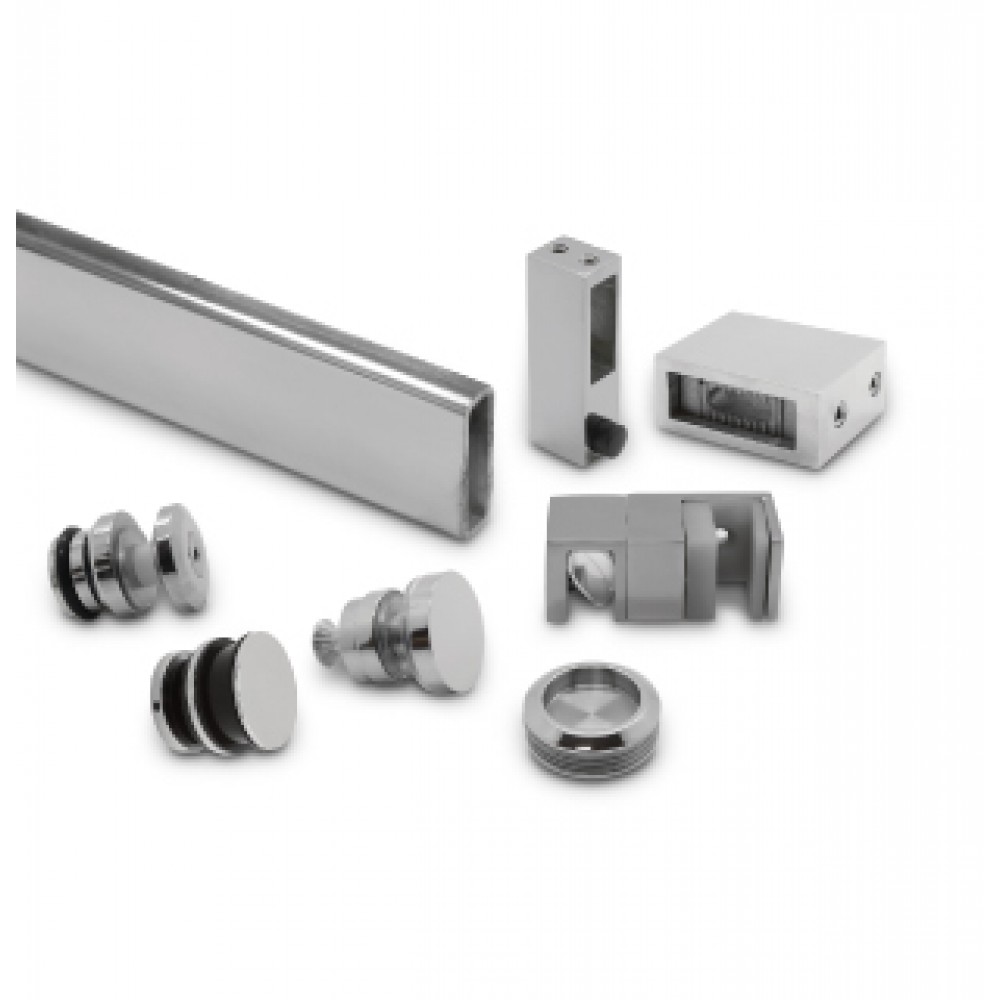
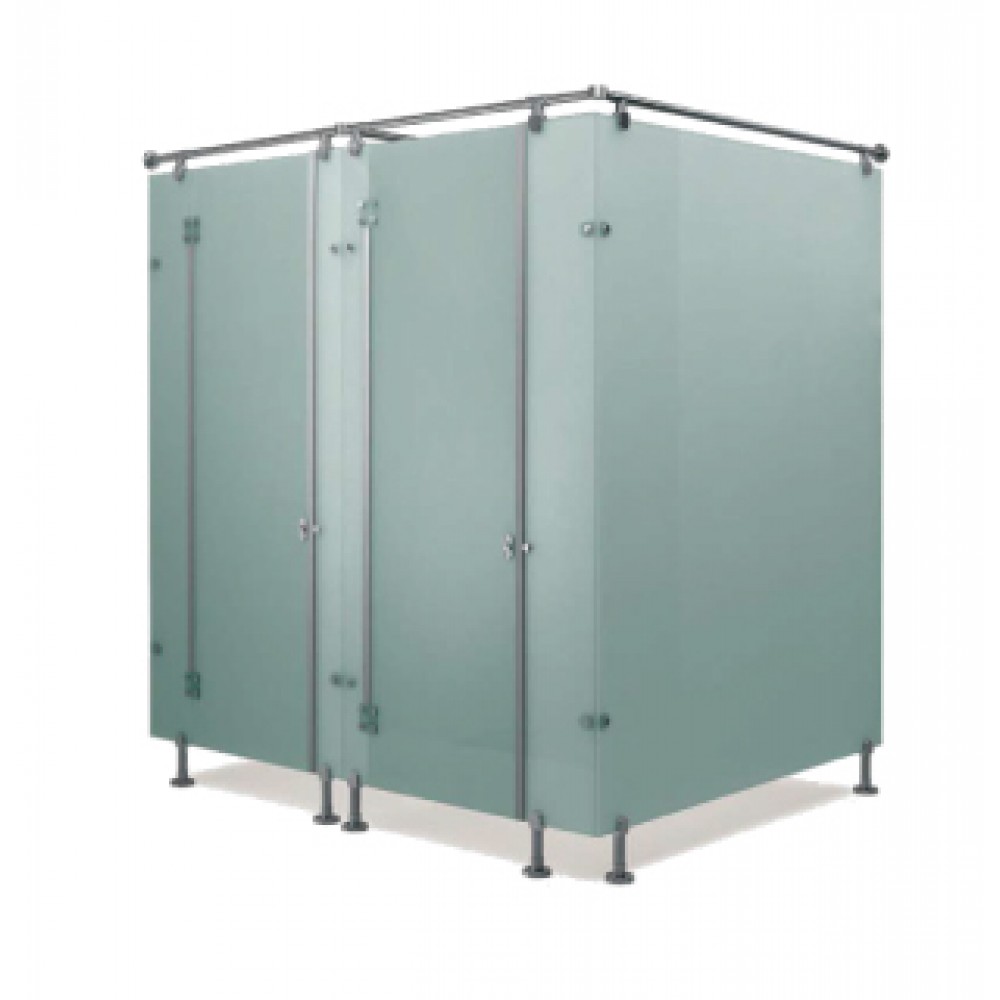
For architects, builders, and glazing professionals, frameless glass is more than just a design trend—it’s a practical, high-performance solution that meets modern building demands. Whether you’re installing frameless balustrades or balconies, using the proper hardware is essential to ensure that structural integrity, safety, and a clean, contemporary finish is achieved. Specialist glazing channels, point fixings, & spigots should all be considered when designing a project.
With the growing demand for minimalist, open-space designs, trade professionals need reliable, easy-to-install frameless glass systems that meet regulations while maintaining aesthetic appeal.
Let’s break down the key benefits, materials, and installation essentials you need to know.
Why Frameless Glass? A Trade Perspective
Frameless glass isn’t just about aesthetics—it’s a high-value material that delivers:
✔ Unobstructed views – No bulky posts or rails, just clean, modern transparency.
✔ Strength & safety – Toughened and laminated glass options that meet building regulations.
✔ Versatile applications: It can be used for internal or external installations, residential or commercial.
✔ Corrosion resistance – Designed for external and even extreme conditions in mind, which is particularly important for coastal projects and outdoor applications.
✔ Straightforward installation – Systems designed to save time and labour costs.
With property developers, architects, and homeowners seeking seamless glass solutions, having the right components makes all the difference.
Choosing the Right Glass: What You Need to Know
For frameless balustrades and balconies the glass selection is critical. Trade professionals typically work with:
- Toughened Glass: Heat-treated for strength, this is the industry standard for many balustrades and balconies.
- Laminated Glass: More common when used for frameless installations because it offers additional safety benefits with the glass staying intact even when broken. Decorative interlayers can also be added to the glass to create bespoke glass designs.
- Low-Iron glass: Most float glass is slightly tinted green due to the iron content that is within it. Low Iron glass may be preferred for luxury projects as it offers exceptional clarity.
- Tinted Glass - Not commonly used but tinted glass, particularly grey tinted glass, can offer a modern design.
- Patterned Glass - Traditional designs are widely known and used in windows and doors. However, there are now many designs available on the market, some of which could be considered for balustrading and balconies. However, patterned glass should be selected very carefully because it naturally can restrict views.
There are many factors which will affect your choice of glass including load requirements, safety regulations, and project aesthetic but ensuring compliance with BS 6180:2011 (Barriers in and around buildings) is essential.
Installation: Frameless Balustrading Channels vs. Point Fixings
Frameless glass relies on secure, durable fixings. Here’s what to consider:
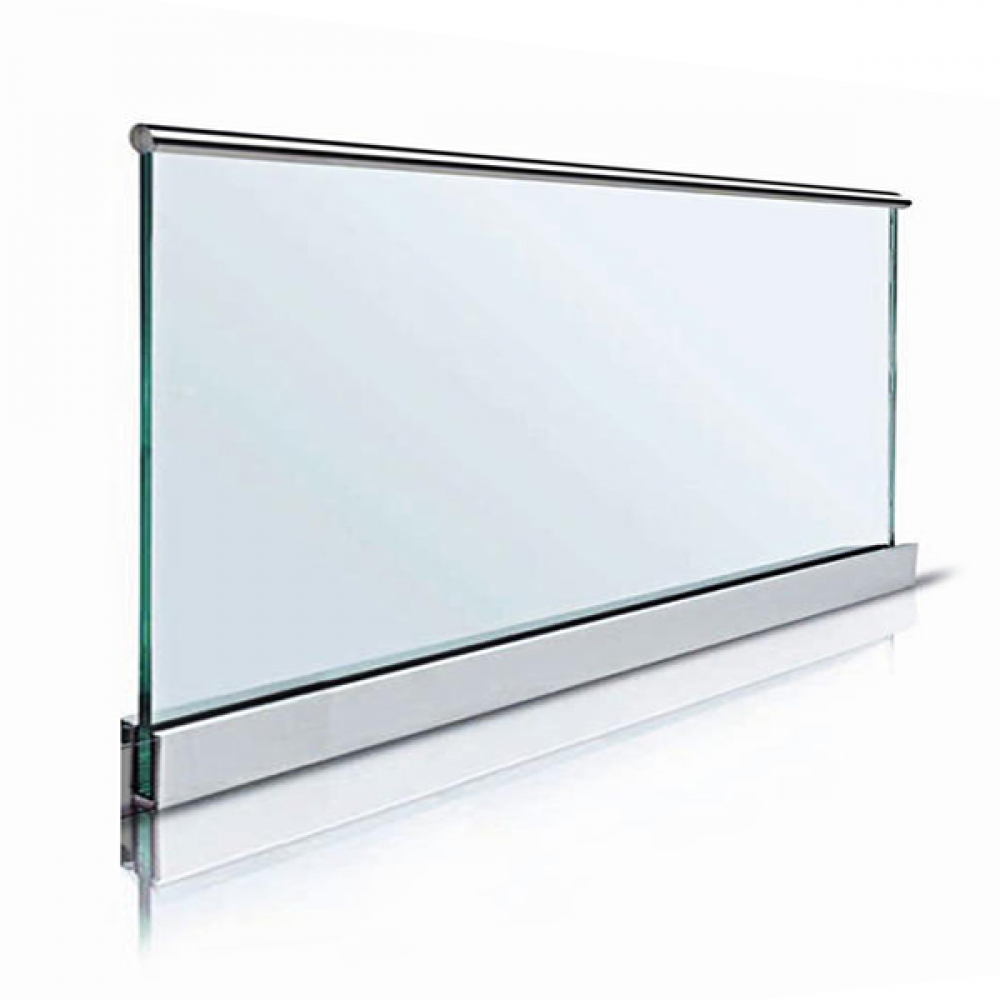
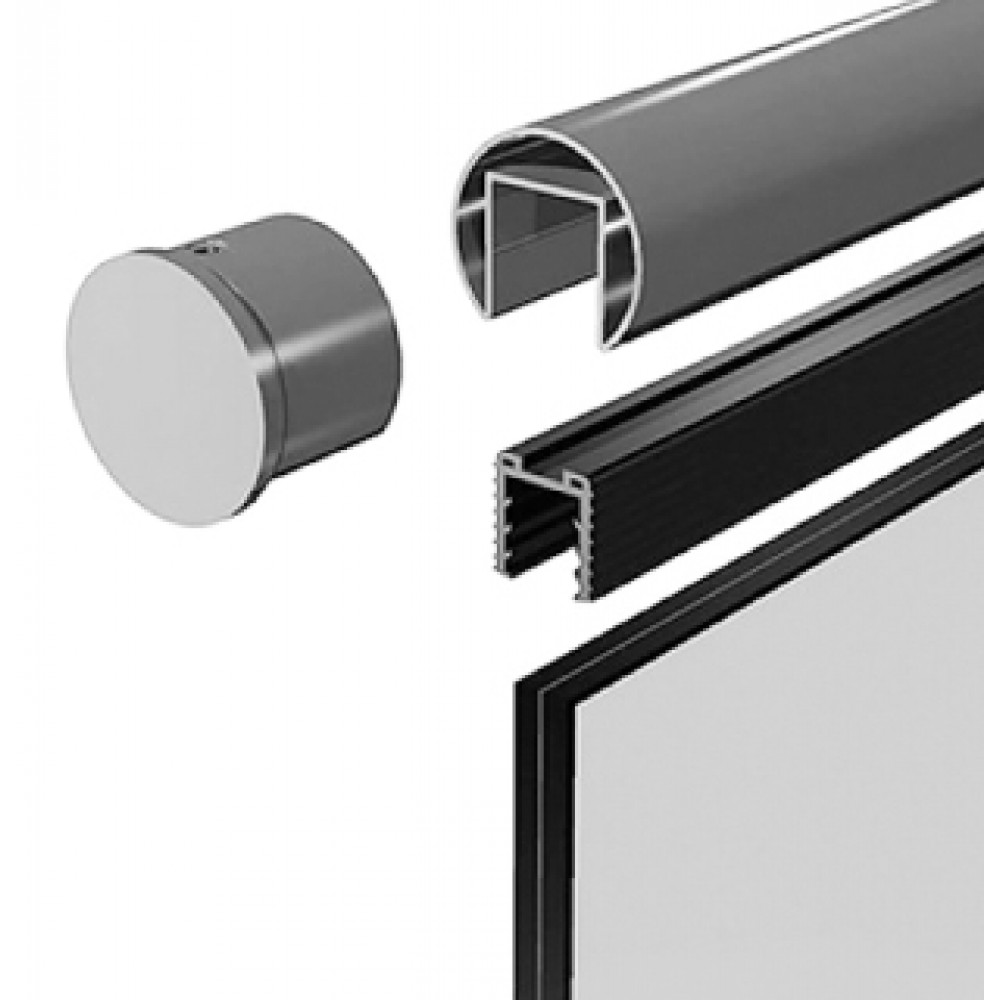
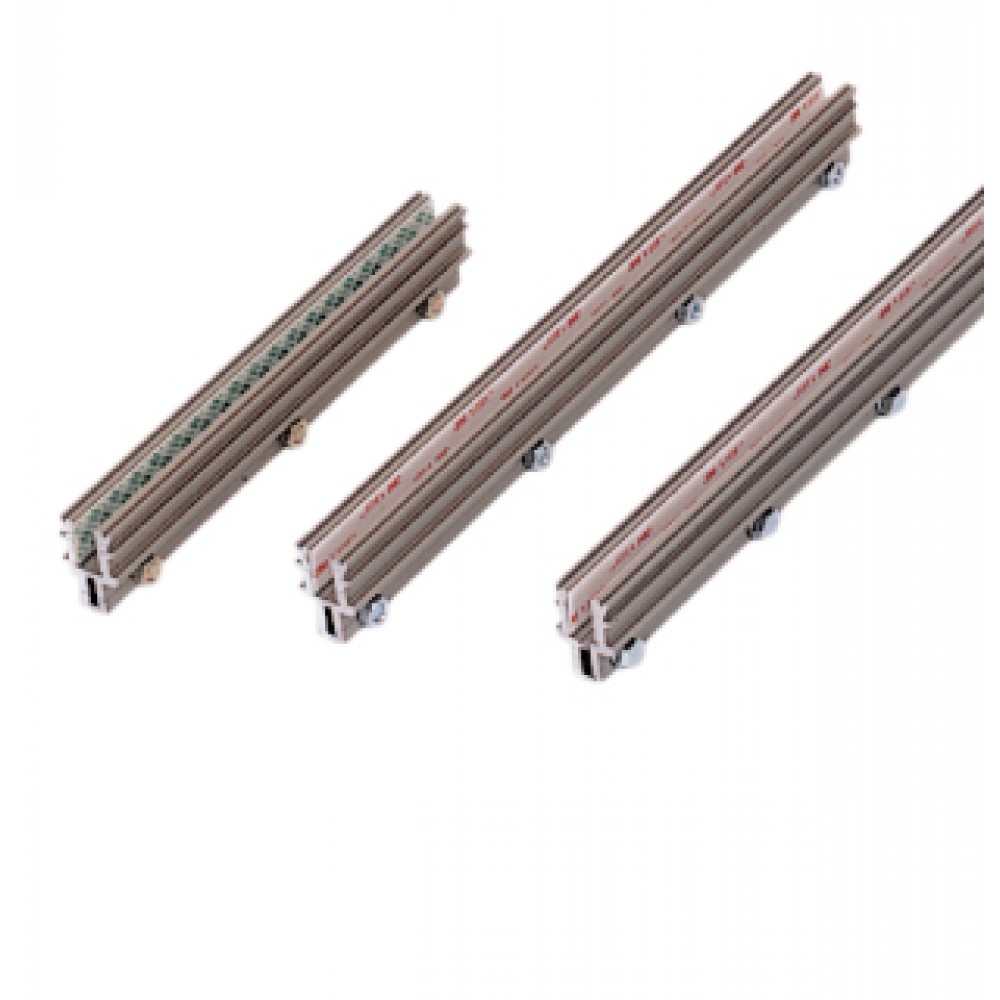
1. Channels: The Go-To for a Minimalist Finish
✔ Provides a frameless, clean look by securely fitting the glass on the bottom edge only.
✔ Suitable for internal and external use
✔ Surface or side mounted for different project needs.
✔ Available in anodised aluminium or black
✔ Commonly used for external balustrading in commercial or residential properties
Trade Tip: Use pre-drilled base channels to speed up installation and avoid alignment issues.
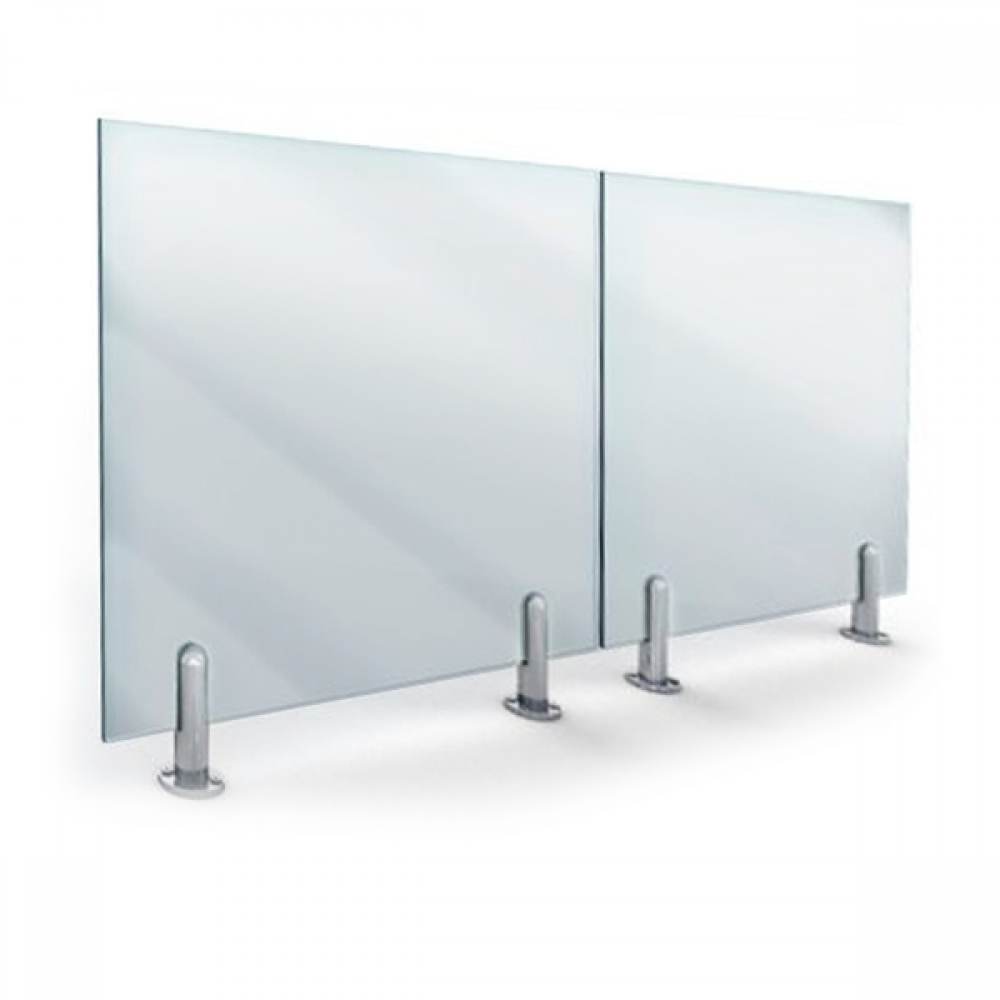
2. Point Fixings: Precision & Industrial Appeal
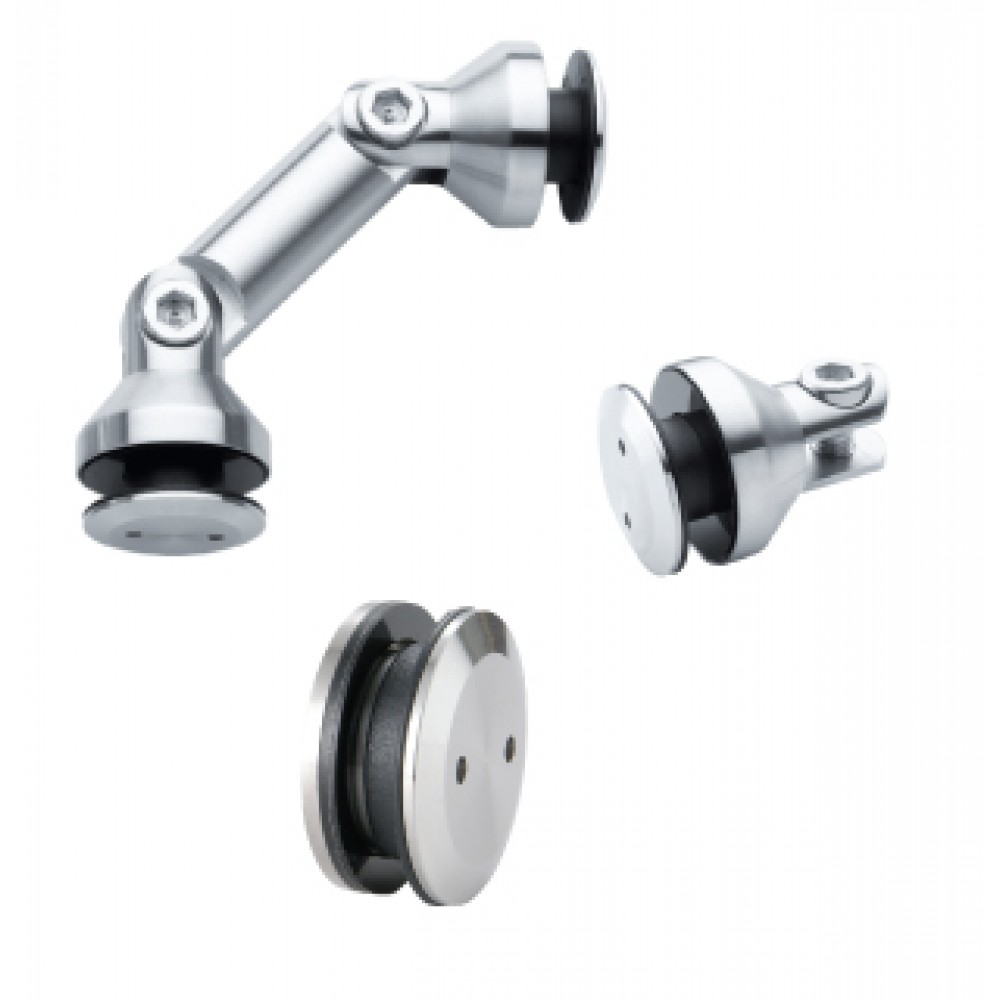
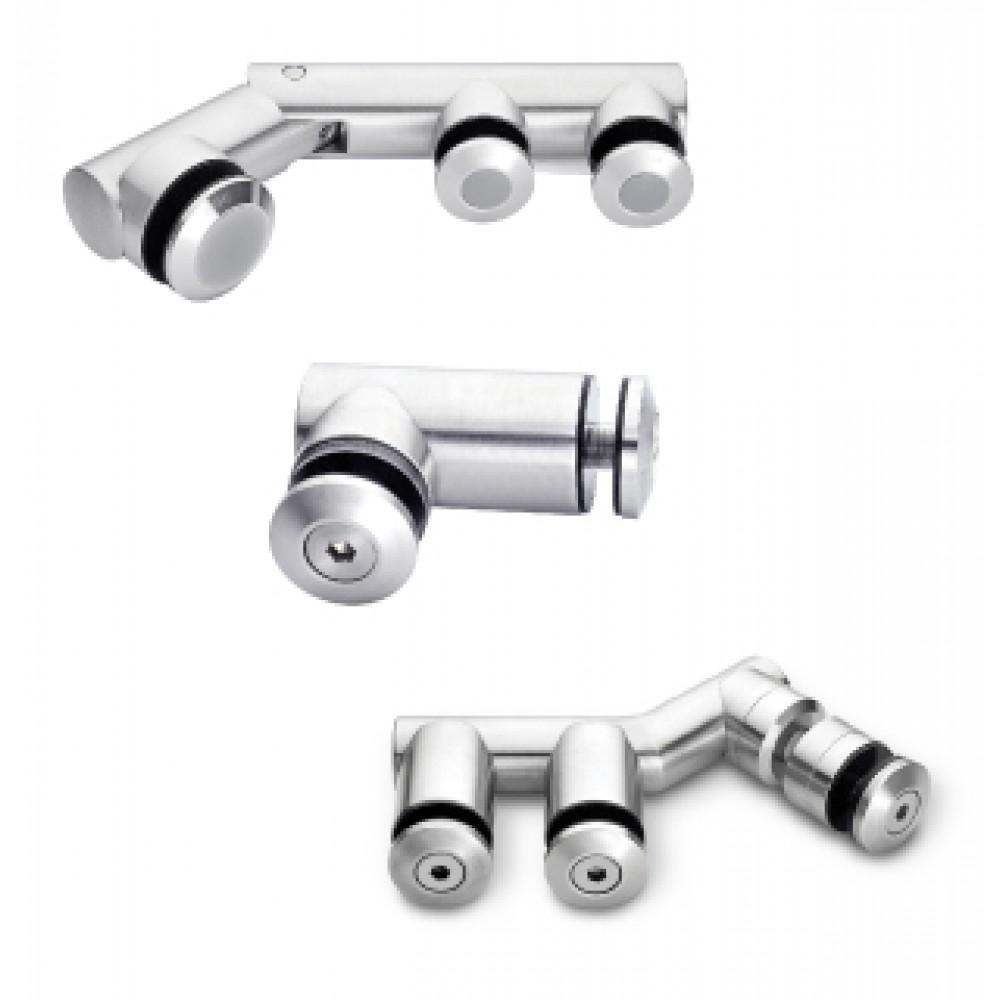
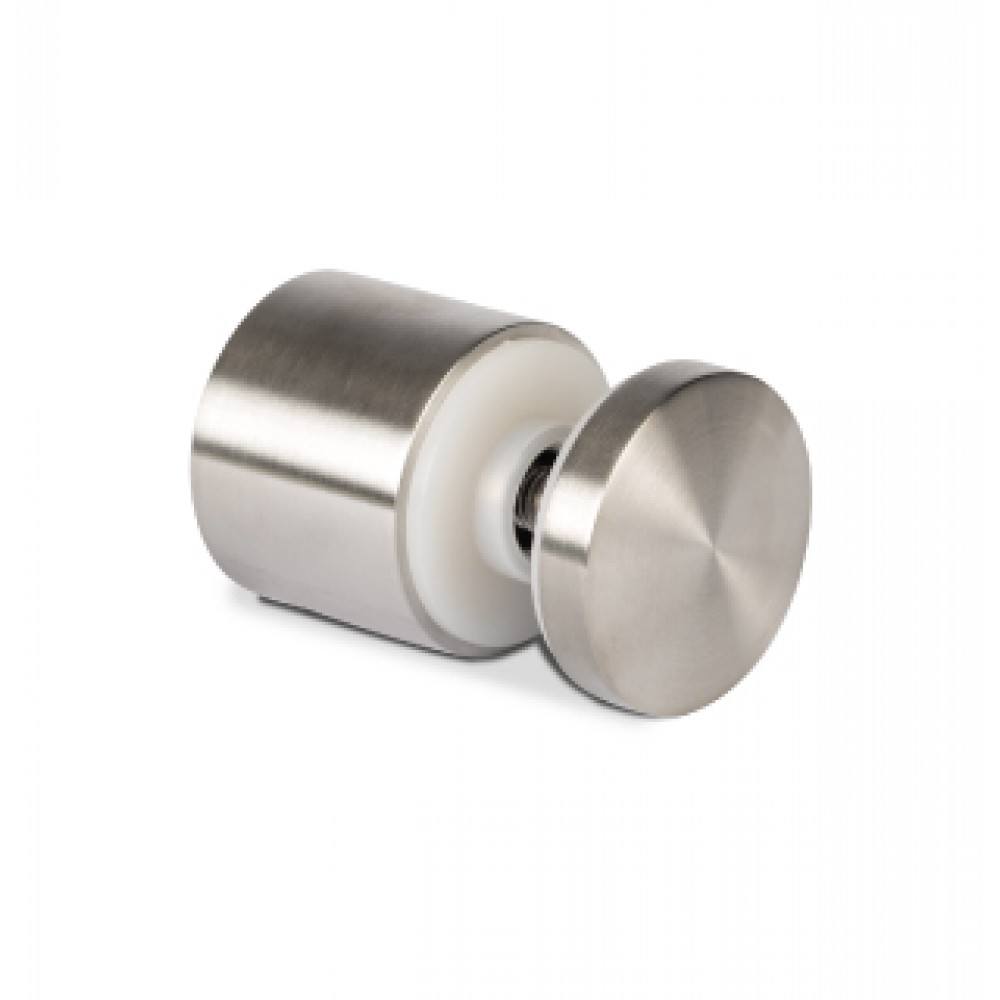
✔ Secures glass using stainless steel standoffs, that are fixed through glass that has been drilled to the required design
✔ Suitable for internal or external use
✔ Side mounted glass only
✔ Available in 316-grade stainless steel and 316-grade black stainless steel for weather resistance
✔ Commonly used for ‘floating’ staircases, juliet balconies and balustrades
Trade Tip: Always double-check glass hole spacing and load distribution to prevent cracking during installation.
Maximising Efficiency on Site
✔ Be sure to accurately measure the project before ordering hardware and glass, using adequate equipment
✔ Make it clear to the site manager or property owner that there should be no changes to the fixing substrate, otherwise you may find that things do not fit as they should
✔ Use adjustable frameless balustrade systems where possible to make it easier to align the glass
✔ Choose dry-glazed systems for quicker installation, to remove the need to wait for glazing cements to cure
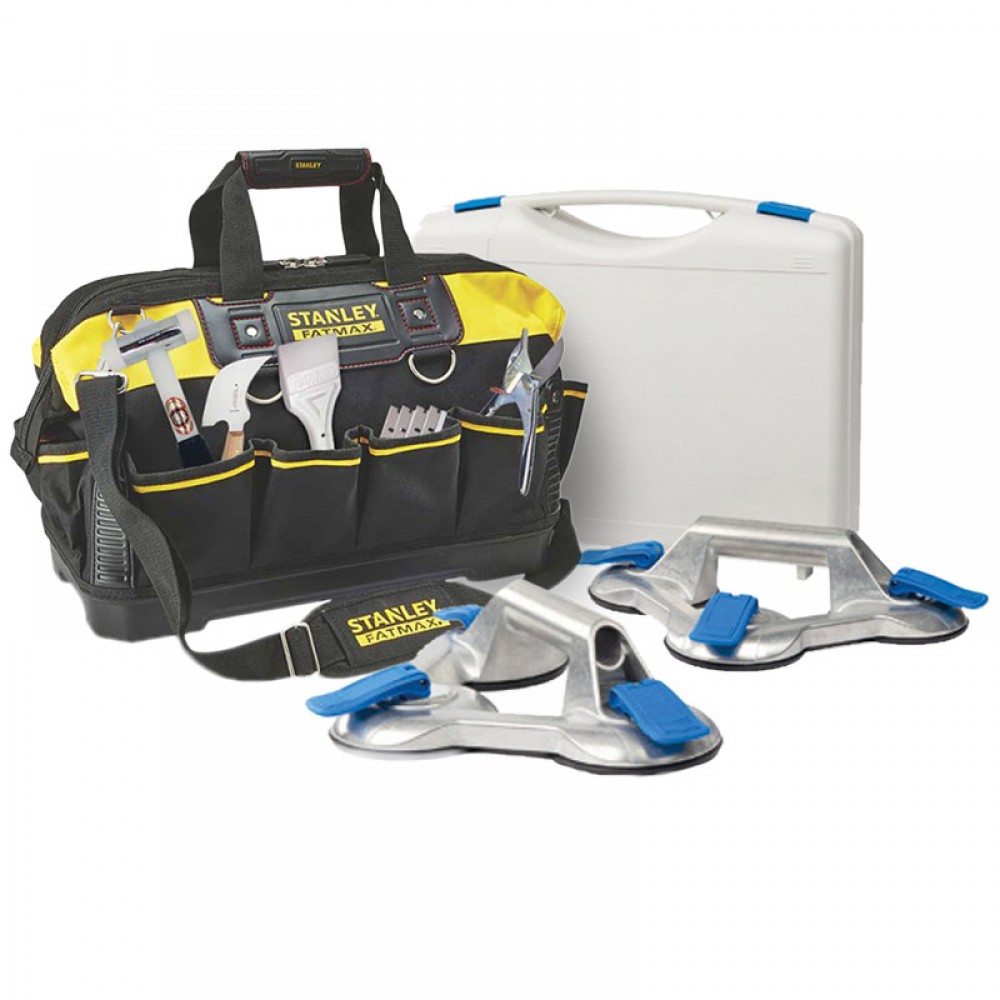
✔ Invest in adequate lifting equipment to make moving the glass into position and installing it into situe easier.
Only Use High Quality Glass Hardware
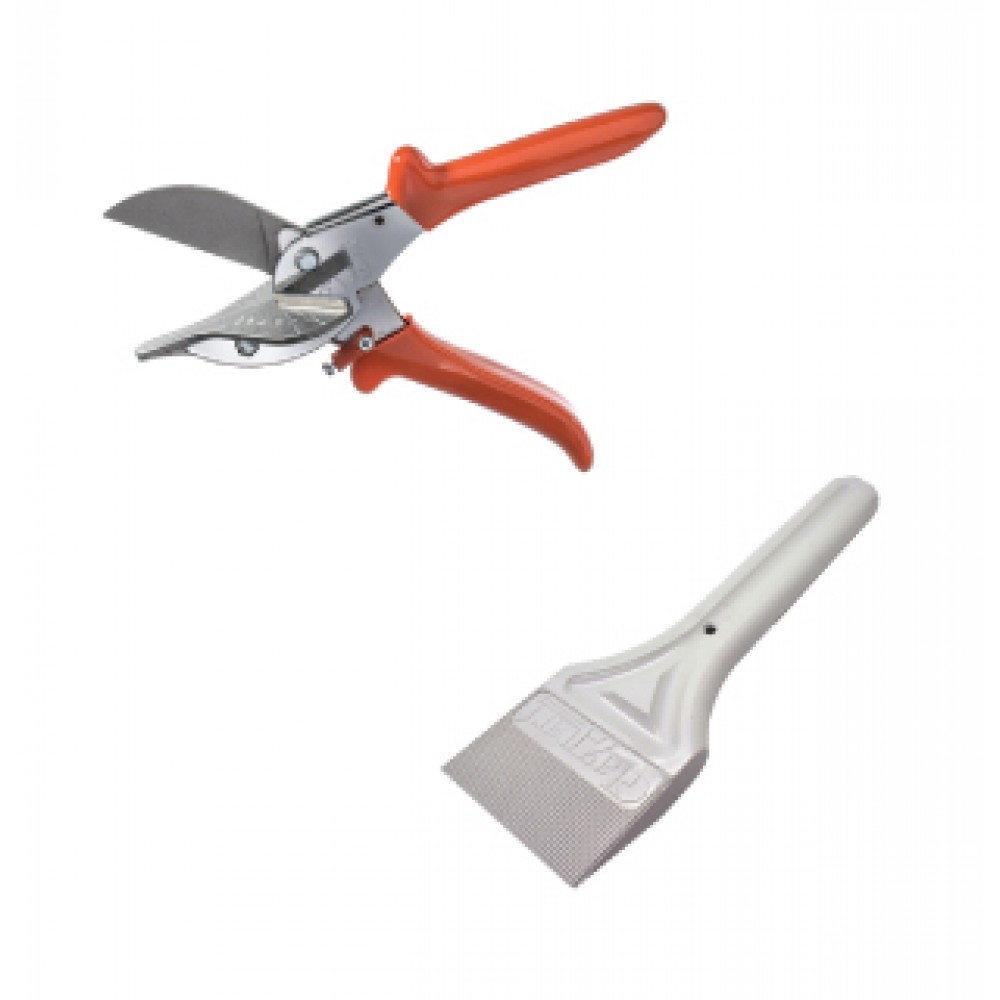
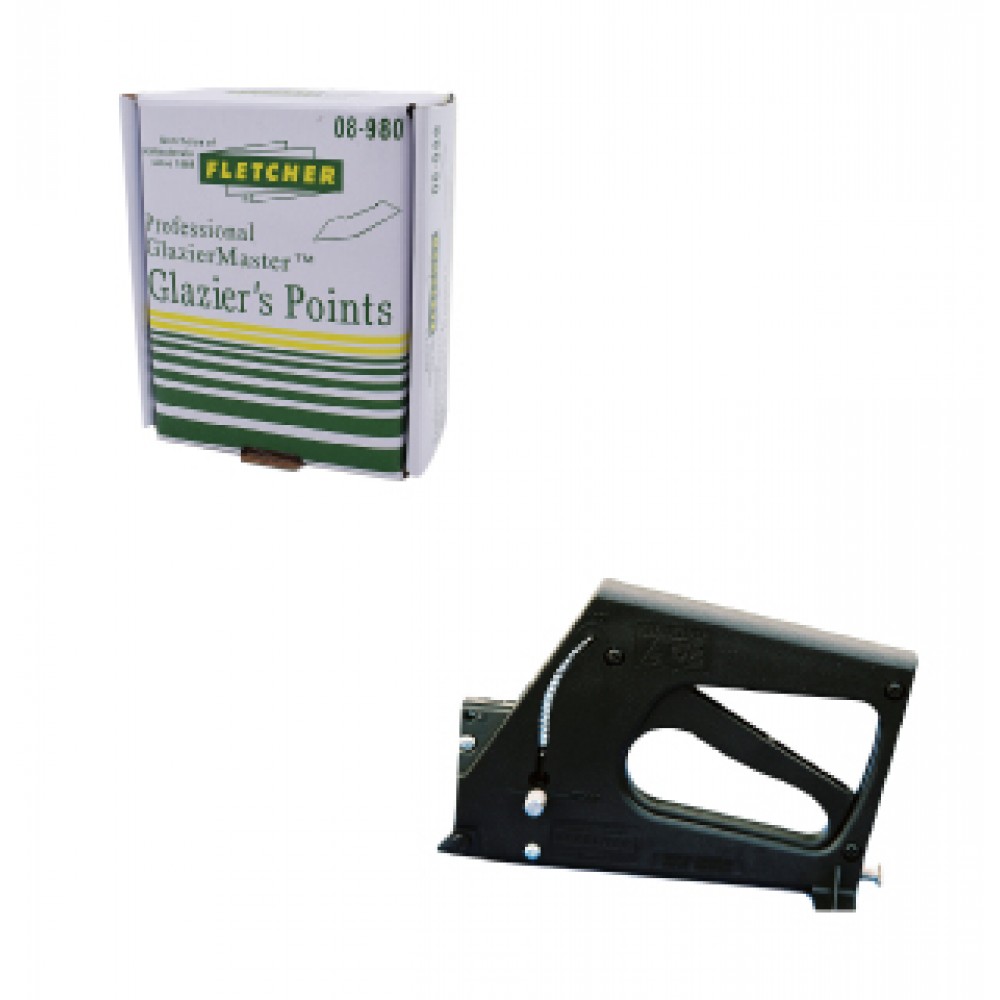
Having the correct glass fittings, tools, and installation equipment ensures smooth installations and happy clients. At GlassParts.co.uk, we supply easy to install frameless glass solutions that have been tested to industry standards, which are engineered for performance and durability.