









-1000x1000.jpg)















-1000x1000.jpg)




1. What is the safest way to lift and transport glass?
Always use the correct lifting equipment, such as suction cups, vacuum lifters, or trolleys & frames, to prevent breakage and injury. Ensure the glass is secured and avoid sudden movements during transport.
2. How do suction cups work for glass lifting?
Suction cups create a vacuum seal on the glass surface, allowing for a firm, non-slip grip. This makes it easier to lift and manoeuvre glass panels safely without direct hand contact.
3. What’s the difference between manual and powered vacuum lifters?
- Manual vacuum lifters, like hand lifters, create suction using a pump or lever and are ideal for smaller-scale lifting tasks.
- Powered vacuum lifters, such as battery-powered ones, provide a continuous suction grip, perfect for heavy or large glass panels in professional installations.
4. How can I prevent glass from breaking during transport?
Use glass transport stillages & racks, A-frame racks, or glass protection pads to keep glass stable and prevent direct contact with hard surfaces. Secure the glass with straps if moving it in a vehicle.
5. What type of glass storage solution is best for my workshop?
If you frequently store and move glass, A-frame stillages or vertical racks are ideal for organising panels and keeping them damage-free.
6. What are the benefits of using a glass lifting frame?
A glass lifting frame allows for controlled movement and positioning of heavy glass panels, reducing worker strain and improving installation accuracy.
7. How do I choose the right glass transport trolley?
Consider the trolley's size and weight capacity. Glass transport trolleys come in different designs, including adjustable and heavy-duty options, to accommodate various panel sizes.
8. How do I prevent scratches when stacking glass?
Use glass protection and transport pads to create a buffer between glass sheets, reducing friction and impact damage.
9. Are suction cups suitable for lifting all types of glass?
Suction cups work best on smooth, non-porous glass surfaces. If the glass has coatings, textures, or is curved, a vacuum lifter with adjustable suction may be more effective.
10. How do I properly maintain my vacuum lifter?
Clean the suction pads regularly to remove dust and debris. Check for wear on rubber seals, and store your vacuum lifter in a dry area to prevent deterioration.
11. Can I use a hand lifter for heavy glass panels?
Yes, but the weight limit depends on the lifter type. Hand lifters with double or triple suction cups provide a firmer grip, while vacuum lifters are recommended for heavier panels.
12. What’s the safest way to carry glass manually?
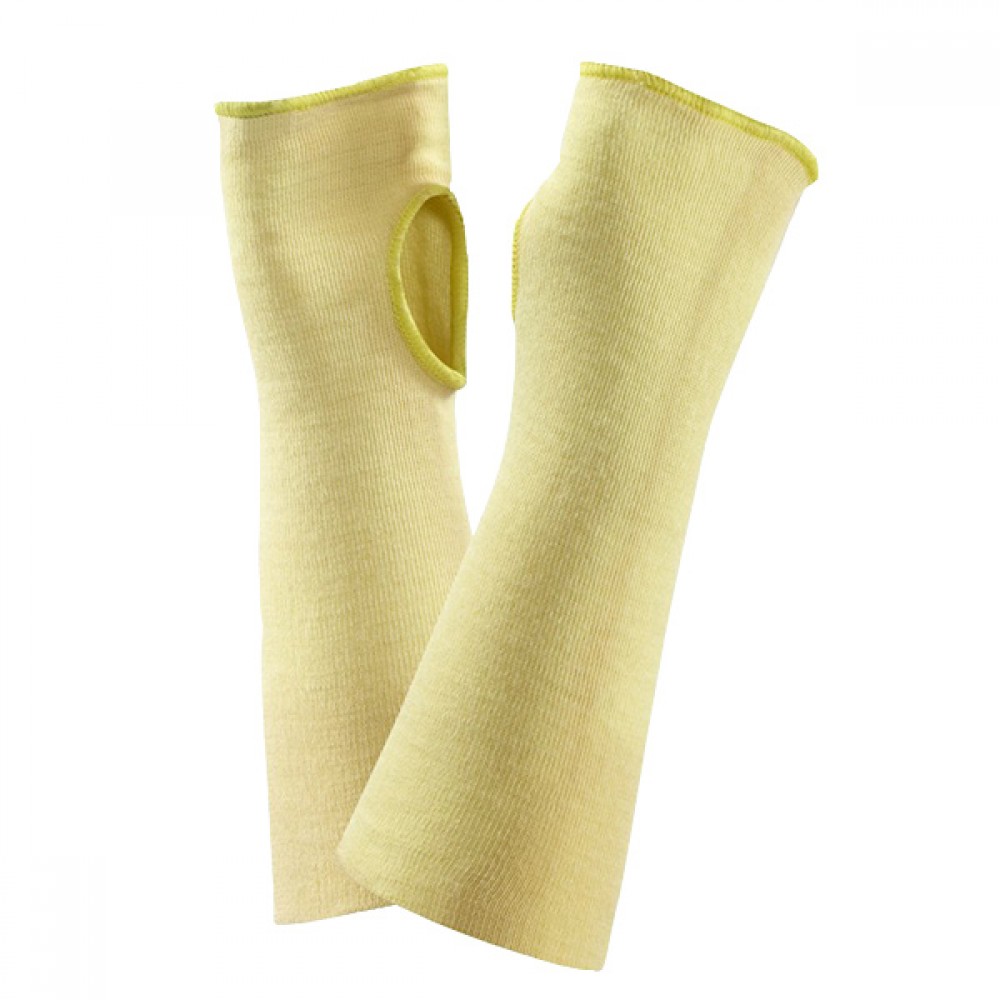
Use hand lifters to improve your grip, and wear cut-resistant gloves to reduce the risk of injury. Always carry glass upright and with at least two people for larger panels.
13. How do I secure glass during transport?
Using glass transport stillages & racks ensures glass remains stable. Secure glass panels with straps or rubber supports to prevent movement.
14. What type of trolley is best for moving glass on-site?
A glass transport trolley with rubberised supports and locking wheels provides stability and mobility, making it easier to move panels safely.
15. Why should I use protection pads when transporting glass?
Glass protection pads absorb vibrations and prevent direct glass-to-glass contact, reducing scratches and breakage risks.
16. What is an A-frame stillage, and when should I use it?
An A-frame stillage provides a stable, upright storage solution for glass, perfect for transport or warehouse organisation.
17. How do I prevent the glass from shifting while moving it?
Use trolleys with rubber grips or add transport pads between panels for extra friction and stability.
18. What tools do I need for precise glass installation?
Combining suction cups, lifters, and installation frames ensures safe and accurate positioning.
19. How do I keep the glass level during installation?
Use an adjustable glass lifting frame or vacuum lifter to hold the panel in place while aligning it. Laser levels and spacer tools can also help.
20. What’s the best way to handle large glass panels in high places?
For high-level installations, use a mechanical glass lifting device or a hoist system for better control and safety.
21. Are lifting accessories necessary for glass installation?
Yes! Lifting accessories like straps, edge protectors, and harnesses provide added support and safety during lifting and positioning.